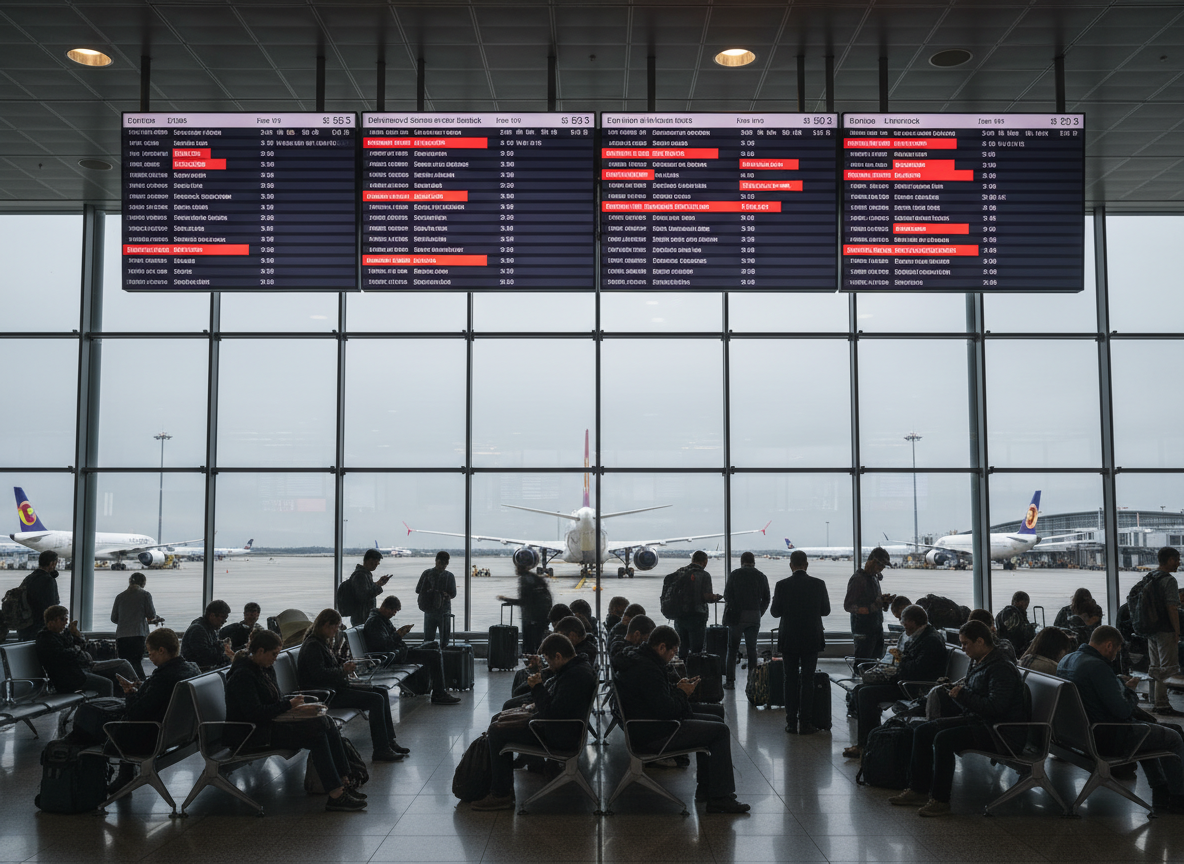
Major Trans-Tasman Travel Chaos Delays 675 Flights Across Six Key Airports
On Monday, February 2, 2026, air travel networks across Australia and New Zealand ground to a halt as operational failures disrupted hundreds of scheduled services. The widespread event forced thousands of passengers to endure hours of waiting, this massive logistical breakdown hit six major international hubs simultaneously.
Recent History of Operational Failures Plagues Regional Aviation
This latest incident follows a troubling pattern of instability that emerged throughout late 2025, the aviation sector in the region has struggled to maintain reliability for several months. Significant disruptions occurred in October and November of the previous year, those events were caused by a mix of severe weather and critical system errors that left thousands grounded. For instance, a major outage in August 2025 involving Airways New Zealand impacted multiple trans-Tasman flights, this highlighted deep vulnerabilities in the regional technology infrastructure. The frequency of these breakdowns suggests that the current problems are systemic rather than isolated incidents, stakeholders remain concerned about the fragility of the network facing high demand.
Sydney Leads Surge in Cancellations and Schedule Delays
Data from the affected airports reveals that Sydney bore the brunt of the chaos on Monday. The hub recorded 295 delayed flights and 11 cancellations, this single location accounted for more than 40 percent of the total disruptions reported across the network. Melbourne Tullamarine also faced severe congestion with 181 delays and nine cancellations, Brisbane and Auckland followed with 88 and 80 delayed services respectively. While Christchurch and Wellington avoided cancellations entirely, they still suffered minor delays that added to the ripple effect across the Tasman Sea.
Major Carriers Struggle to Maintain Schedules
The operational breakdown affected the largest airlines serving the region including Qantas, Jetstar, and QantasLink. Virgin Australia and Air New Zealand also reported significant schedule changes, international carriers like Singapore Airlines and United faced knock-on effects from the local congestion. A total of 675 flights fell behind schedule while 29 were removed from the board entirely on February 2. The sheer volume of changes overwhelmed ground crews, this forced staff to manage hundreds of frustrated travelers simultaneously while attempting to reorganize complex flight rosters.
Tourism Sector and Travelers Face Rising Economic Costs
The immediate fallout involves thousands of stranded passengers missing connecting flights or losing accommodation bookings. Tourism operators fear that persistent unreliability will deter future visitors from planning trips to the region, businesses relying on air cargo also face supply chain interruptions due to the lack of cargo space. Airlines now face substantial costs related to rebooking and compensation, the pressure on airport staff has reached critical levels due to the constant crisis management required to clear the backlog.
Industry experts warn that infrastructure resilience must improve immediately to prevent further economic damage. Aviation authorities in both nations are under increasing pressure to enforce stricter operational standards and protect passenger rights during these frequent outages.