New Zealand Rural Land Company Shifts Strategy to Prioritize Investor Cash Yields
The New Zealand Rural Land Company has officially adopted a new financial strategy focused on consistent shareholder payouts, this decision comes after an independent review by KPMG highlighted the need for better capital management, the company aims to restore investor confidence by targeting reliable cash returns alongside asset growth.
Share Price Struggles Prompted Comprehensive Capital Review
The strategic overhaul stems from a growing disconnect between the company's share price and the actual value of its assets, the company originally listed on the public exchange in December 2020 and raised $75 million to acquire agricultural properties. Directors noticed a significant gap opening between the share price and the Net Tangible Assets starting in June 2022, they described the situation as an undervaluation of their portfolio.
The board commissioned KPMG to perform a detailed "hygiene check" on their operations in August, the firm examined market feedback and valuation drivers to understand the disparity. The findings revealed that inconsistent dividends had negatively impacted market sentiment, investors were unsure about future returns which suppressed the stock price, consequently the board decided a clear change in direction was necessary to close the valuation gap.
New Policy Targets High Payout Ratios for Shareholders
The company has formally branded its new direction as "YieldPlusGrowth," this approach explicitly prioritizes generating a reliable cash yield for investors while still pursuing disciplined expansion. A central pillar of this strategy is a revised dividend policy, the New Zealand Rural Land Company now plans to distribute between 90 percent and 100 percent of its adjusted funds from operations to shareholders.
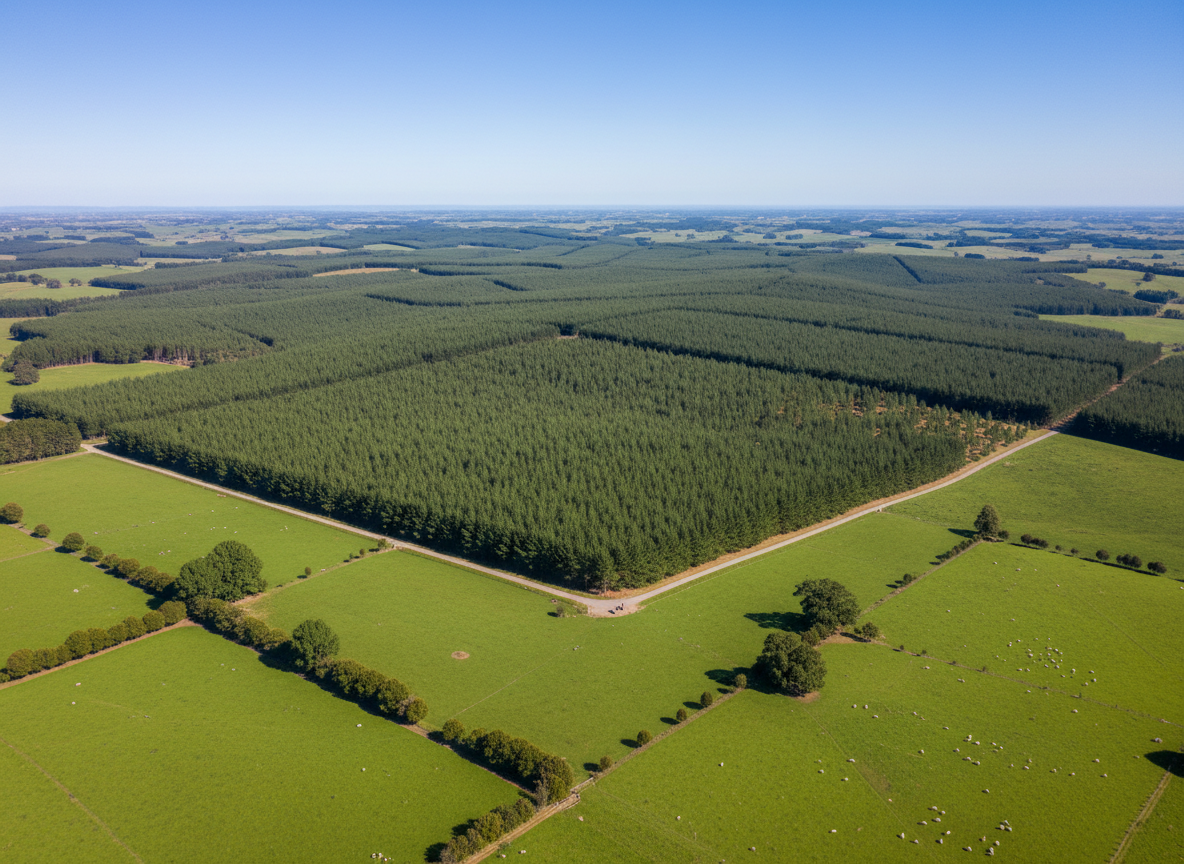
This framework creates strict guidelines for how the company handles capital, it dictates future decisions regarding acquisitions and share buybacks to ensure they do not compromise investor yields. The business currently holds approximately 17,077 hectares of high-quality land, these holdings span the pastoral, horticultural, and forestry sectors. The model relies on leasing this land to experienced tenants on long-term contracts, this allows the company to benefit from the rural sector without taking on the operational risks of farming.
Operational Strengths Support Financial Goals
Management emphasizes that their structural advantages remain intact under the new plan, these include strong access to capital and rigorous due diligence processes. The company acts as a domestic buyer which often simplifies transactions, they also maintain robust partnerships with quality tenants to ensure the land remains productive and profitable.
Institutional Investors Expect More Predictable Returns
Major stakeholders are expected to see immediate benefits from the revised capital framework, these include the Accident Compensation Corporation and other large fund managers. The shift addresses the primary concern regarding inconsistent income, analysts suggest that providing a predictable yield will stabilize the share price.
The new strategy is designed to make the company more attractive to income-focused investors, it provides clarity on how future earnings will be distributed. The gap between the market price and the underlying asset value is expected to narrow as the market adjusts to this new level of certainty, existing shareholders will likely see improved total returns through a combination of dividends and asset appreciation.
Officials remain optimistic about the long-term prospects of the rural economy, they plan to continue evaluating growth opportunities that meet the strict new criteria for financial performance.