Manage My Health Breach Exposes Systemic Fragility in New Zealand's Cyber Defenses
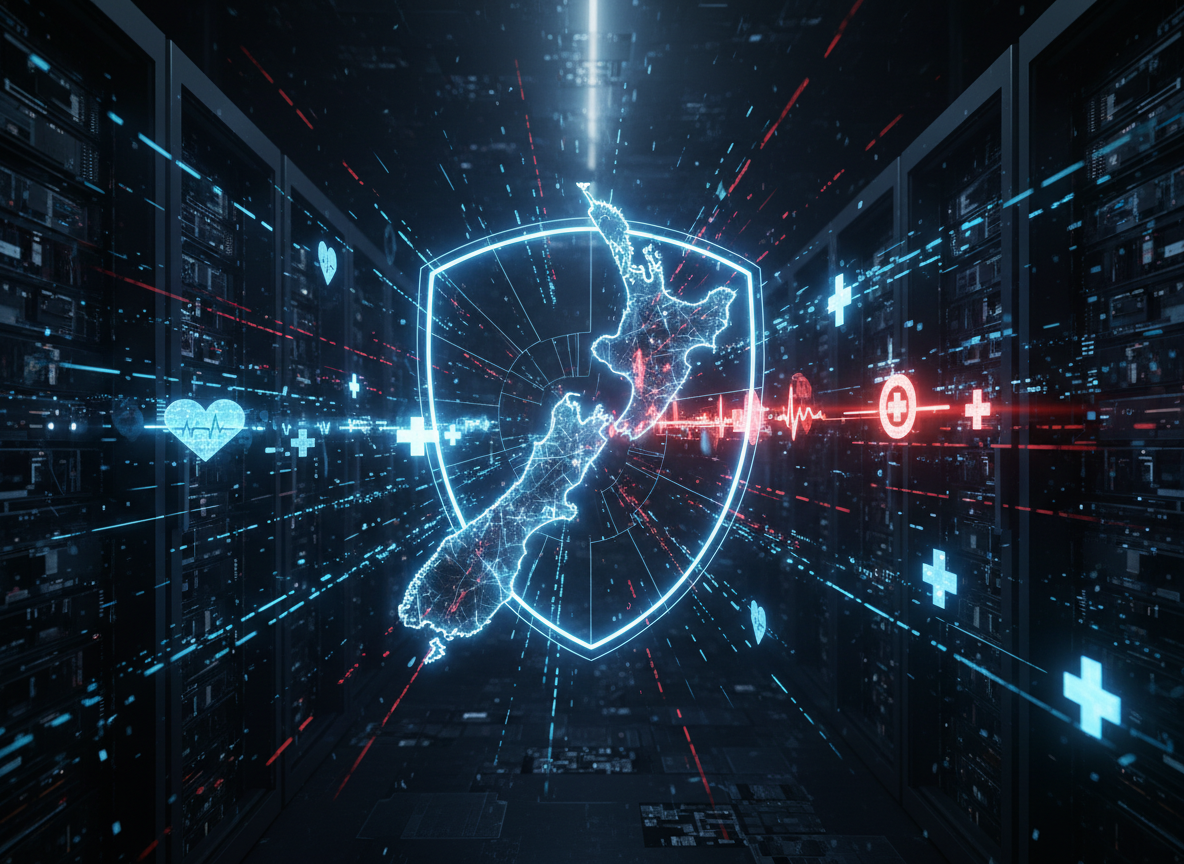
A massive cyberattack on patient portal Manage My Health has compromised the private data of over 120,000 New Zealanders, this breach exposes critical weaknesses in the nation's digital infrastructure. Authorities are currently investigating the incident after hackers demanded a ransom to prevent the release of sensitive medical records on the dark web.
Years of Underinvestment Create Digital Vulnerabilities
This latest security failure is part of a troubling pattern rather than a singular event, it follows major incidents like the Waikato DHB ransomware attack and the Pinnacle Midlands Health Network breach. Cybersecurity experts describe the national health infrastructure as a "Jenga tower," implying that the precarious structure is vulnerable to total collapse. The sector suffers from years of delayed upgrades and insufficient funding for IT systems, these factors create easy entry points for commercially motivated cybercriminals who exploit known weaknesses in outdated software. The National Cyber Security Centre has reported a significant rise in such attacks, noting that healthcare organizations globally face thousands of intrusion attempts every week.
Hackers Demand Ransom for Stolen Medical Files
The cybercriminal group operating under the name 'Kazu' claims to possess 108GB of stolen data, this cache includes names, test results, and prescription records for thousands of users. Manage My Health confirmed that attackers entered through the "front door" by cracking password defenses rather than exploiting complex code flaws. The perpetrators demanded $60,000 USD by mid-January 2026, threatening to publish the files if payment was not made. The company has since sought a High Court injunction to prevent the dissemination of this stolen information.
Government Scrutiny and Workforce Concerns
Health Minister Simeon Brown has ordered a comprehensive review to assess the scope of the damage, meanwhile the Public Service Association criticized recent cuts to digital services staff. Union representatives warn that reducing IT expertise creates a "ticking time bomb" for public health security, noting that fewer experts are available to defend against increasingly sophisticated threats. A specialist agency known as the International Online Crime Coordination Centre has reportedly identified the individual behind the attack and is pursuing legal action.
Patients Face Privacy Risks and Identity Theft
The exposure of highly sensitive health information places patients at immediate risk of identity theft and targeted fraud. Medical records are particularly valuable on the black market because they contain unchangeable personal details, this makes recovery difficult for victims compared to credit card fraud. Beyond individual harm, these repeated breaches erode public confidence in the healthcare system's ability to keep private matters secure. Operational disruptions from such attacks also divert millions of dollars away from patient care toward technical recovery efforts.
Officials are urging the health sector to adopt zero-trust security models and modernize legacy systems immediately to prevent further exploitation. The government has committed new funding to uplift cyber defenses, yet experts warn that the pace of improvement must accelerate to match the evolving threat landscape.