Inquiry Finds New Zealand Emergency Management System Unfit Following Deadly 2023 Weather Events
A government inquiry has officially declared New Zealand’s crisis management system broken, the finding follows catastrophic weather events in 2023 that left 15 people dead. The report concludes the nation is dangerously unprepared for large-scale disasters, exposing fundamental flaws in how agencies warn and protect the public.
History of Ignored Warnings Exposes Systemic Vulnerabilities
New Zealand has long relied on a global reputation for resilience, yet internal reviews paint a troubling picture of neglect. The current emergency framework traces its origins back to the 1931 Hawke's Bay Earthquake, it has evolved slowly despite shifting climate risks. Previous audits following the 2016 Kaikōura earthquake and the 2017 Port Hills fire identified serious coordination failures, however these warnings resulted in little substantive change.
The system remained stagnant while disaster risks multiplied, the 2023 events shattered the illusion of readiness created by the country’s pandemic response. While the health response to COVID-19 garnered international praise, the physical infrastructure for handling natural disasters was deteriorating, this inquiry suggests that the government can no longer hide behind a veneer of crisis competence.
Investigation Reveals Critical Failures in Coordination and Capacity
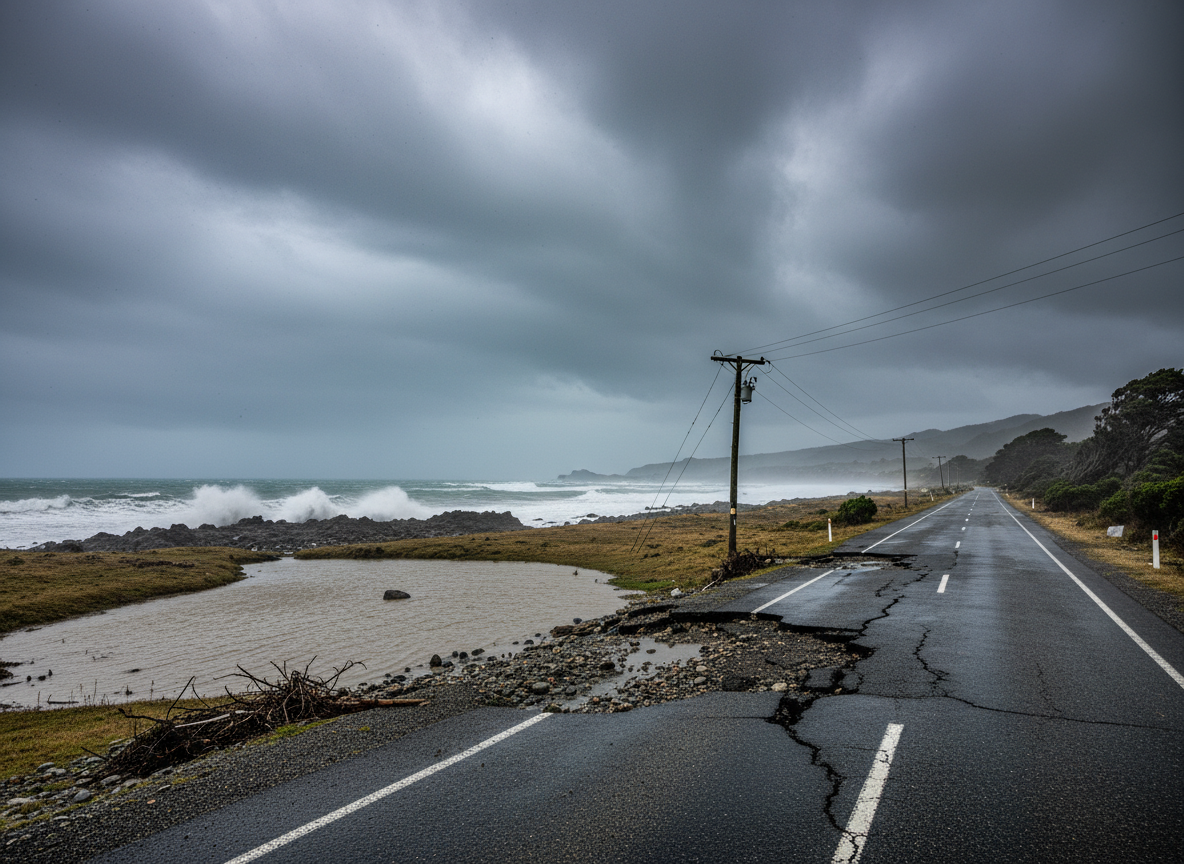
The inquiry into the North Island Severe Weather Events uncovered a system that effectively sets up dedicated personnel to fail. Chaired by Sir Jerry Mateparae, the investigation found that public warnings during the Auckland Anniversary floods and Cyclone Gabrielle were often nonexistent or arrived too late to be actionable. Civil Defence staff lacked the necessary capacity to handle the speed of these events, this led to a total breakdown in communication between key agencies.
A lack of a common operating picture meant decision-makers were working with incomplete data, this resulted in dangerous delays when minutes mattered most. Communities reported feeling completely abandoned by official channels, many relied on local volunteers rather than government support to survive the storms. The disconnect highlights a critical gap between centralized planning in Wellington and the reality on the ground in vulnerable regions.
Economic Costs and Human Toll Demand Action
The financial impact of these operational failures is staggering, the total damage is estimated between $9 billion and $14.5 billion. Fifteen lives were lost across the affected regions, this human cost has driven an urgent demand for accountability. The inquiry notes that without immediate rectification, the system remains unable to cope with the increasing frequency of severe weather.
Legislative Overhaul Targets Restoration of Public Trust
Emergency Management Minister Mark Mitchell has announced plans to scrap existing bills in favor of entirely new legislation, the government acknowledges that minor tweaks are insufficient. The proposed framework aims to integrate iwi expertise formally into the system, this move recognizes the vital role Māori communities played during the recent response. Experts warn that without these changes, public trust will erode further, potentially leading to widespread non-compliance during future emergency directives.
Officials emphasize that a simple patch-up job will not suffice for the challenges ahead, the government has committed to a five-year timeline for strengthening disaster resilience. The success of these reforms depends heavily on sustained political will and the immediate allocation of resources for risk reduction.