New Zealand Construction Defects Cost Economy Over Two Billion Dollars Annually
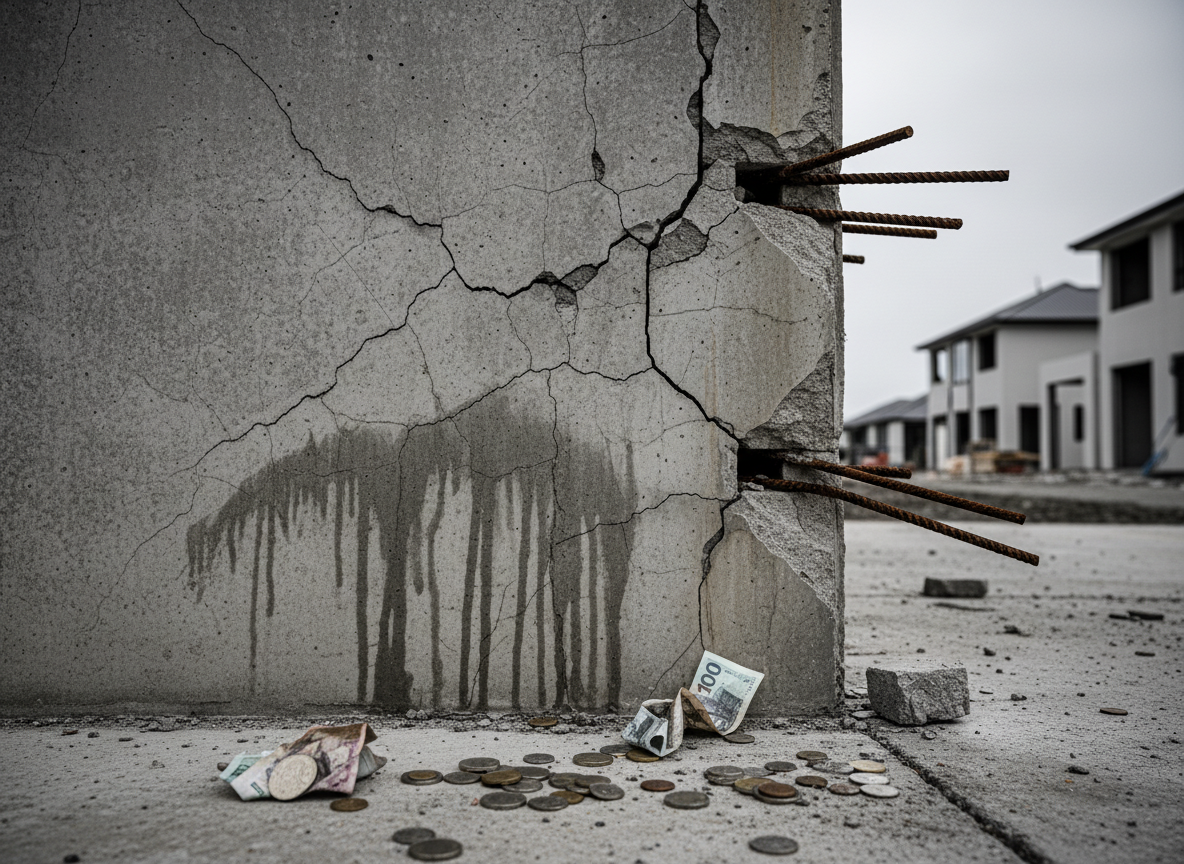
A pervasive prioritization of speed over structural integrity has entrenched a "build now, fix later" mentality across New Zealand, this systemic failure strips the national economy of NZ$2.5 billion annually while effectively preventing the construction of 5,000 new homes every year.
Deregulation in the 1980s Shifted Standards Toward Commercial Speed
The roots of today's crisis trace back to the middle of the 1980s, significant policy changes dismantled the Ministry of Works which previously acted as the central authority for technical standards. Government officials replaced these prescriptive regulations with a performance-based model, they simultaneously reduced support for apprentice training systems which fostered an industry culture focused on commercial viability rather than craftsmanship. This regulatory environment contributed directly to the disastrous leaky homes crisis involving timber houses built over a sixteen year period, estimates suggest legacy costs from this specific failure could reach $47 billion. The shift away from strict oversight created a check box approach to compliance that prioritizes rapid completion over durability.
Research Identifies Stagnant Productivity and High Failure Rates
New analysis from Auckland University of Technology highlights how productivity in the residential construction sector has remained flat for decades, the industry generates approximately NZ$26 billion annually yet loses nearly 10 percent of that value to remediation work. Data indicates that 92 percent of new homes contain compliance defects, inspections in Auckland reveal that one third of all projects fail their final check. Mark Kirby and collaborators advocate for the establishment of a national commission dedicated to quality and productivity, this impartial body would oversee enduring reforms that survive political cycles. Experts argue that publicly funded residential projects must mandate ISO 9000 quality management systems, such a requirement would force subcontractors to formalize their oversight processes. The current approach treats symptoms rather than causes, simple procurement changes are insufficient without a fundamental cultural shift toward rigorous quality control.
Public Sector and Homeowners Bear Brunt of Systemic Neglect
The consequences of poor construction extend beyond financial loss to significant public health risks, respiratory illnesses linked to damp housing cost the healthcare system NZ$145 million annually. Critical infrastructure including schools and hospitals faces accelerated deterioration due to deferred maintenance, this neglect creates a dangerous backlog of repairs that threatens public safety. Future generations risk inheriting a degraded built environment that requires expensive remediation rather than serving their needs.
Improving the sector requires moving from reactive repairs to proactive lifecycle asset management, officials emphasize that only bipartisan support for enduring strategies can reverse decades of declining standards.