IKEA Parent Company Sets Target of 100,000 Hectares for New Zealand Portfolio
Ingka Group has unveiled plans to more than double its land ownership in New Zealand, the company aims to control 100,000 hectares of forestry assets. This massive expansion focuses on securing long-term timber supplies while converting pastoral farmland into commercial pine plantations.
Global Furniture Giant Seeks Resource Security in Pacific
Ingka Investments currently holds approximately 43,000 hectares in New Zealand, this portfolio maintains a value of nearly $648 million. The organization manages forestry assets across seven countries including the United States and Finland, they prioritize sustainable resource management to support their massive manufacturing needs. This strategy aligns with a broader corporate shift toward controlling raw material supply chains, it ensures stability against global market fluctuations and price volatility. New Zealand has seen a significant rise in foreign interest regarding forestry assets over the last decade, this trend often sparks intense debate regarding land sovereignty and economic utility. The nation provides an ideal climate for rapid tree growth, this makes it a prime target for international investors looking to balance commercial returns with carbon sequestration goals.
Strategy Involves Converting Pastoral Land to Pine Forests
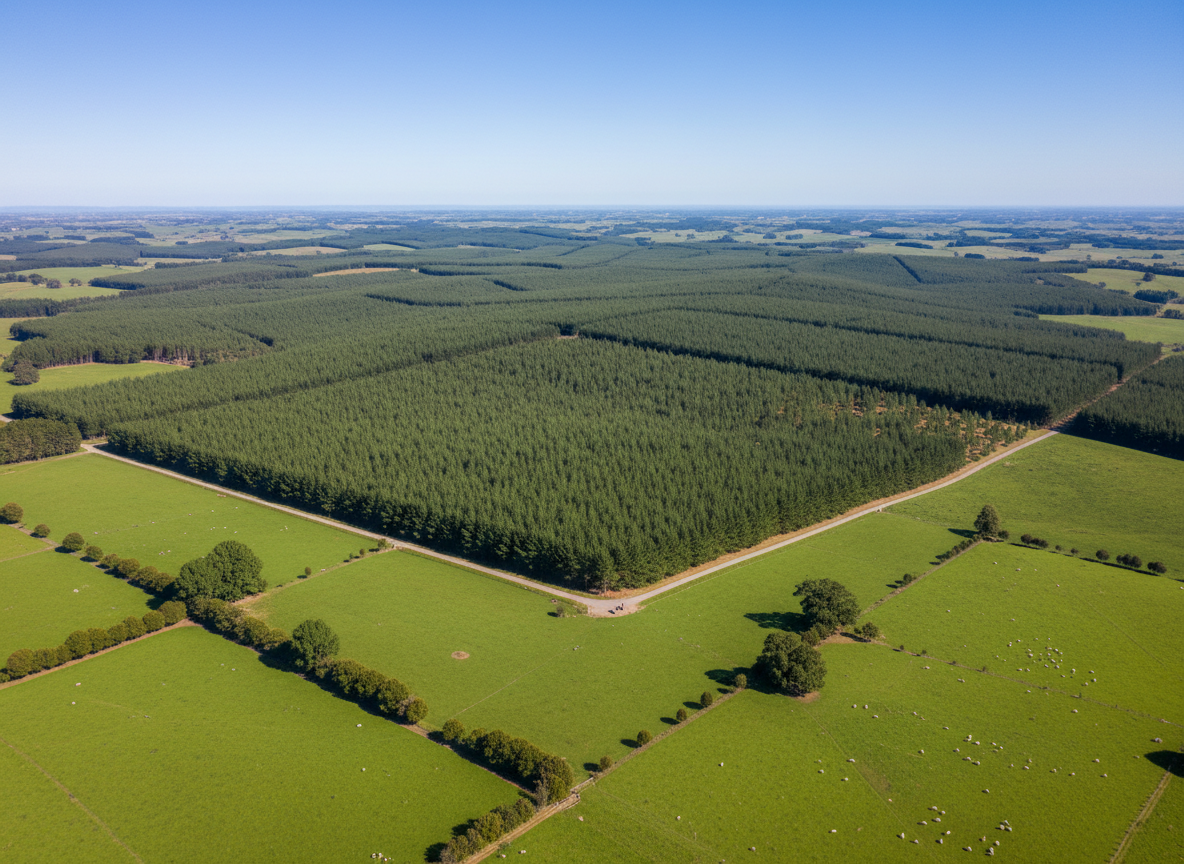
The ambitious plan involves acquiring both established forests and active farmland to reach the 100,000 hectare goal, the company specifically targets sheep and beef stations for conversion. These acquisitions focus on land classified as Class 5 or higher, this designation indicates soil less suitable for intensive crops or horticulture. The primary tree species for these new commercial plantations is Pinus radiata, this fast-growing softwood dominates the local timber industry and matures quickly in the local climate. Ingka entered the market five years ago with the purchase of Wisp Hill Station, that 5,500-hectare property cost $24.5 million and signaled the start of this aggressive accumulation strategy.
Environmental and Operational Standards
Company officials emphasize strict environmental standards for these huge holdings, they pledge to harvest less timber than the natural growth rate allows. Management plans include designating harvest-free zones for biodiversity conservation, Ingka states that riparian planting buffers exceed local legal requirements by five times to protect waterways. The company also intends to partner with regional sawmills and manufacturers, this collaboration aims to strengthen the local supply chain rather than exporting raw logs immediately. These operational promises aim to mitigate fears regarding corporate overreach, they suggest a model that blends commercial extraction with long-term stewardship.
Rural Communities Face Economic Shifts and Land Use Changes
This expansion raises significant concerns among local farmers regarding the loss of productive agricultural land, the conversion process often leads to fewer direct jobs compared to traditional farming. Rural areas may experience social strain as families leave farming districts, this alters the community fabric in regions like Central Hawke's Bay. However, the forestry sector anticipates benefits from increased foreign investment, the Overseas Investment Office continues to assess these purchases based on national economic benefits and job creation potential.
The balance between corporate resource security and local economic stability remains delicate, ongoing scrutiny of foreign land acquisitions will likely intensify as Ingka approaches its target. Stakeholders await further announcements regarding specific regional targets for the remaining acreage requirements.