Intelligence Agencies Raid Auckland Senior Following US Detection of North Korea Transfer
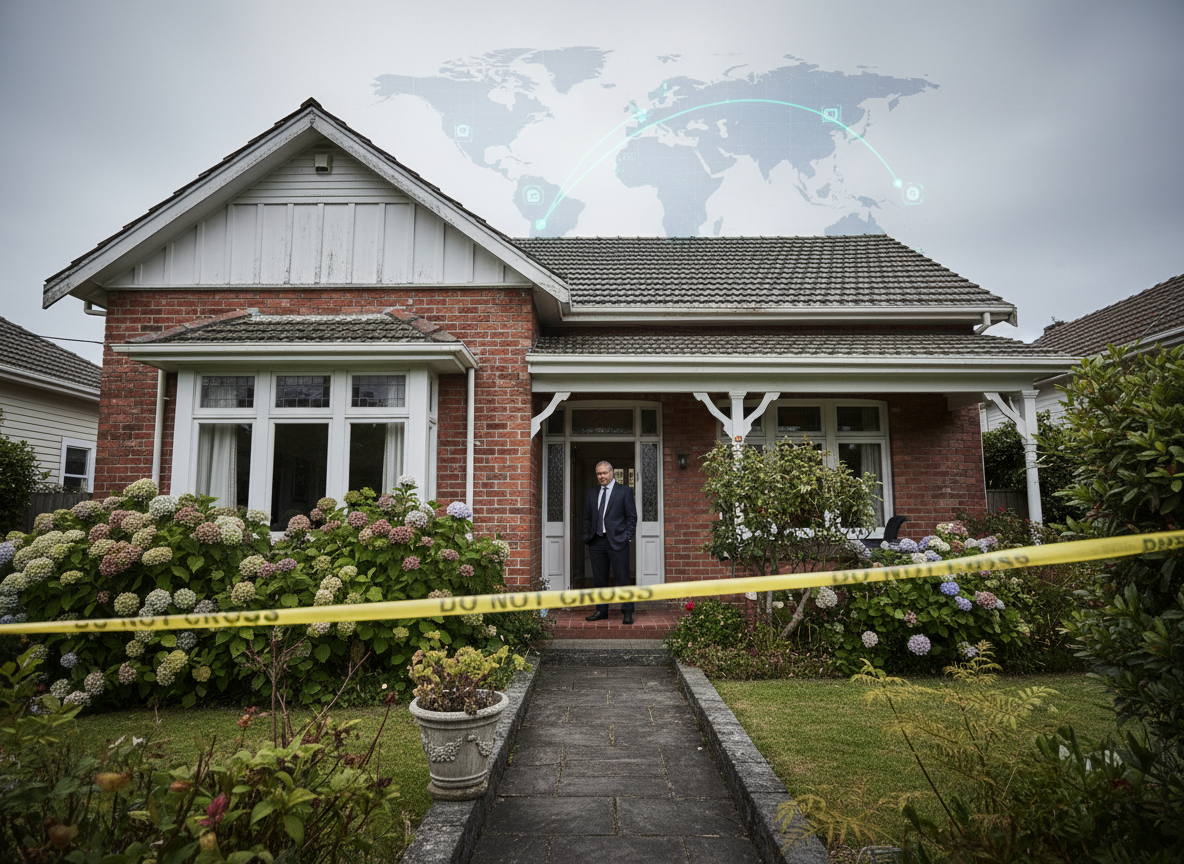
New Zealand intelligence agents raided the home of an 80-year-old Auckland man in October 2020 after US authorities flagged a financial transfer to North Korea. The operation targeted a small sum intended for COVID-19 protective equipment, this sparked a major diplomatic and security response involving top government officials.
Global Sanctions Monitoring Tightens Around Isolated Regime
The detection of this transaction highlights the immense reach of the global financial surveillance network, the United States Treasury Department uses sophisticated tracking systems to monitor international wire transfers through SWIFT. These measures are designed to enforce United Nations Security Council Resolution 2397, the policy aims to cut off funding for North Korea's nuclear ambitions by restricting financial flows. Peter Wilson had previously visited the isolated nation multiple times, he served as a member of a local society dedicated to fostering ties with Pyongyang. Scrutiny on such organizations has increased as intelligence communities look for unconventional routes used to bypass economic barriers.
Task Force Mobilizes After US Treasury Flags Transaction
Authorities launched an intense inter-agency operation dubbed "Hunt For Red October" after receiving alerts from Washington regarding the illicit transfer. The investigation revealed that Wilson and a group of associates pooled approximately $2,000 to buy face masks, they intended to route these supplies through Indonesia to the North Korean Red Cross. Despite the humanitarian intent and relatively small amount of money, the breach triggered an immediate reaction from the New Zealand Security Intelligence Service.
Government officials assembled a specialized task force comprising police and intelligence officers, they executed a raid on the suspect's Highland Park property days after the alert. This operation required coordination between the Prime Minister's office and the Ministry of Foreign Affairs, the swift mobilization demonstrates how seriously the government views breaches of international protocols. The involvement of the Government Communications Security Bureau indicates that digital surveillance likely played a role in verifying the activities of the local group.
Strict Enforcement Signals Warning for Humanitarian Aid Attempts
This case illustrates that no financial transaction is too small to escape the notice of international monitors, the dominance of the US dollar in global trade ensures that American agencies can track funds worldwide. Humanitarian groups may face increased legal hurdles when attempting to send aid to sanctioned regions, the strict liability of these laws often leaves little room for exceptions regarding medical supplies. New Zealand faces ongoing pressure to demonstrate its commitment to the Five Eyes alliance, officials must balance local enforcement with international obligations.
Intelligence agencies will likely continue to scrutinize unconventional networks used to bypass sanctions, this includes monitoring citizens with sympathies toward restricted regimes. Authorities urge residents to fully understand export controls before attempting to send money or goods to embargoed nations.