Historic Salmon Collapse in Rakaia River Threatens Future of New Zealand Angling
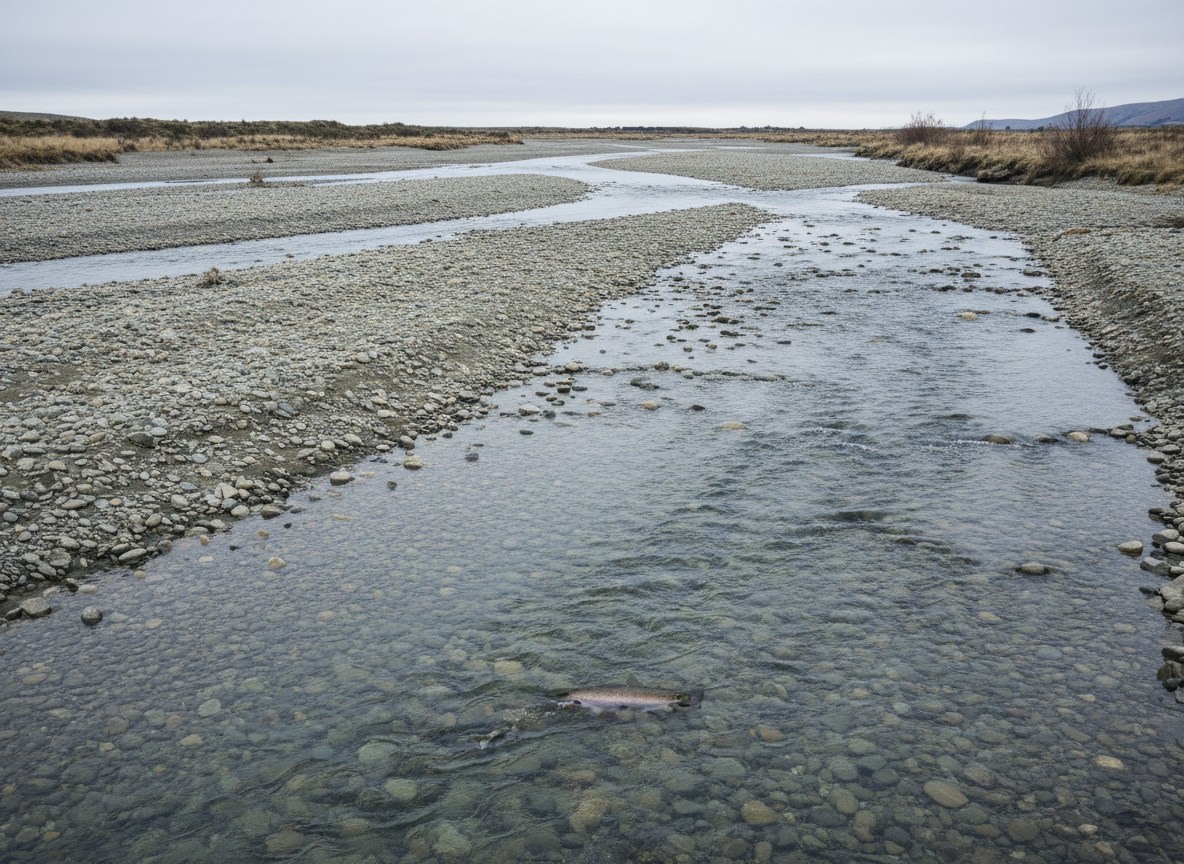
New Zealand’s premier Chinook salmon fishery is facing near-total collapse as spawning numbers drop to catastrophic lows, this decline signals a severe ecological crisis for the Canterbury region. The Rakaia River has seen fish populations plummet by over 90 percent since the 1990s, officials are now considering extreme conservation measures to save the species.
California Imports Established Unique Southern Hemisphere Fishery
Chinook salmon were introduced to the Rakaia River from California in the early 20th century, New Zealand remains the only location globally where this species established a self-sustaining population outside its native range. These waters became a world-renowned destination for anglers chasing trophy fish, however the once-thriving ecosystem has degraded significantly over recent decades. The river holds deep cultural value for Ngāi Tahu and supports local tourism, yet current environmental pressures have turned a resource of abundance into one of scarcity. Stakeholders warn that the window to reverse this trend is closing rapidly, the biological heritage of the region hangs in the balance.
Spawning Counts Plummet to Critical Levels Amid Environmental Strain
Recent data paints a grim picture for the fishery, spawning counts that routinely hit 15,000 in the 1990s have fallen to fewer than 10 percent of those historic peaks. The 2023/24 season recorded approximately 1,875 fish across all major Canterbury rivers, this marks the lowest return in thirty years. The physical quality of the fish has also diminished significantly, the winning catch in the 2024 local competition weighed just 3.32kg, this is a stark contrast to the 12kg trophies common in previous eras.
Pollution and Abstraction Drive Ecological Collapse
Intensive agriculture and corporate dairying are identified as primary drivers of this degradation, massive water abstraction for irrigation reduces essential river flows needed to flush the system. High nitrate levels are poisoning the freshwater ecosystem, this pollution has nearly wiped out Stokell’s smelt which serves as a cornerstone food source for the salmon. Regional councils face criticism for failing to manage these resource consents effectively, consequently thousands of juvenile salmon are lost to farm paddocks due to inadequate fish screens on irrigation intakes.
Tourism Sector Braces for Economic Losses as Anglers Retreat
The collapse of the fishery poses an immediate threat to the Rakaia township’s economy, local businesses heavily rely on the seasonal influx of fishing tourists to sustain their operations. This decline impacts accommodation providers and tackle shops, the town’s identity is so tied to the fish that it features a 12-meter salmon statue which currently requires structural repairs. Anglers now face stricter regulations including bag limits designed to reduce the catch by 16 percent, advocacy groups warn that a complete moratorium on fishing may be necessary to prevent total extinction.
Biologists hope a shift to La Niña weather patterns may cool ocean temperatures and aid recovery by 2027, meanwhile officials urge immediate compliance improvements for water users to protect the remaining stock.