Wellington Council Determines Fate of Golden Mile Amid Budget Pressures
Wellington City Council officials are meeting to finalize critical updates to the city transport network, this vote addresses complex projects inherited from previous regional planning initiatives. The decision focuses on the controversial 140 million dollar Golden Mile upgrade and significant funding reductions for local cycleways.
Dissolution of Shared Transport Program Sets Stage for Decision
The current debate stems from the termination of the Let's Get Wellington Moving program in late 2023, this joint initiative struggled to deliver infrastructure projects for eight years before being disbanded. Central government agencies assumed responsibility for major highway projects like the Basin Reserve upgrade, the City Council retained control over local street improvements. Local leaders now face the challenge of implementing these ambitious plans while managing a tight municipal budget, the city has grappled with congestion and reliable travel times for decades. This vote marks a pivotal moment where theoretical plans must align with financial realities.
Council Targets 140 Million Dollar Revamp of Central Corridors
The primary agenda item involves the 140 million dollar Golden Mile project, this extensive plan aims to remove private vehicles from the busy stretch between Lambton Quay and Courtenay Place. Mayor Tory Whanau continues to champion the proposal to prioritize bus efficiency and pedestrian access, proponents argue this modernization is essential for a growing capital city. The project seeks to transform the urban core by widening sidewalks and dedicating lanes strictly to public transit.
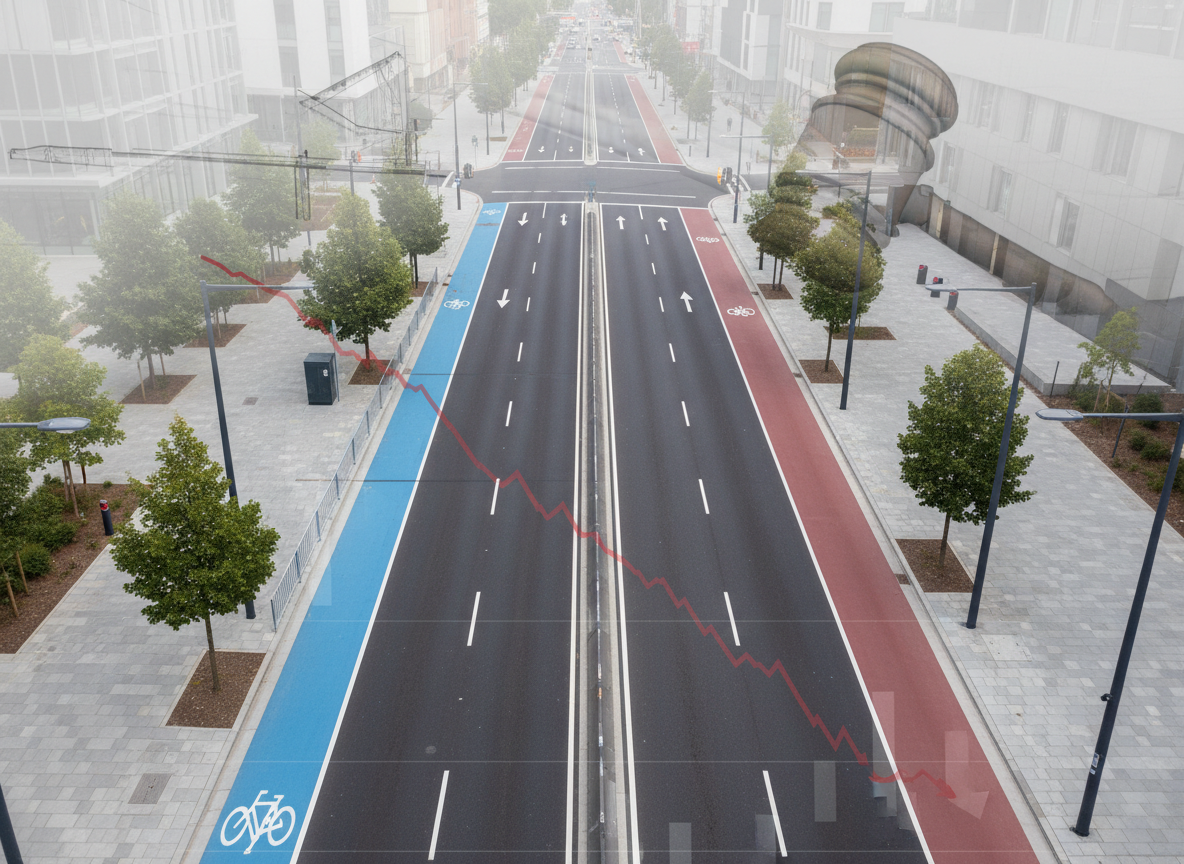
However, fiscal constraints have forced councillors to reconsider other spending priorities within the amended long term plan. Officials have proposed slashing the Paneke Pōneke cycleway budget from 115.2 million dollars to 66.9 million dollars, this represents a nearly 50 percent reduction in funding for bike infrastructure. This move aligns with a broader strategy to rescope low risk transport projects to save approximately 67.8 million dollars across the board.
Financial Realities Force Hard Choices
These adjustments come alongside a confirmed average rates increase of 12 percent for the upcoming financial year, this hike places additional pressure on decision makers to justify every dollar spent. The council must balance the desire for a modern transport network with the immediate demand for fiscal prudence.
Residents and Business Owners Will See Drastic Street Changes
Implementing the full Golden Mile plan will fundamentally alter daily life in the central business district, private car access will disappear from key shopping areas to favor walking and public transit. Local retailers have expressed concern regarding construction disruption and the loss of customer parking, businesses along the route must adapt to a new logistics model. Conversely, environmental advocates argue these shifts are necessary to meet the city goal of net zero carbon by 2050, transport currently accounts for nearly half of local emissions.
Officials predict the population will grow by up to 80,000 residents by 2050, continued investment in sustainable transport remains a priority despite current funding limitations. The outcome of this vote will define the urban landscape and commuter experience for the next decade.