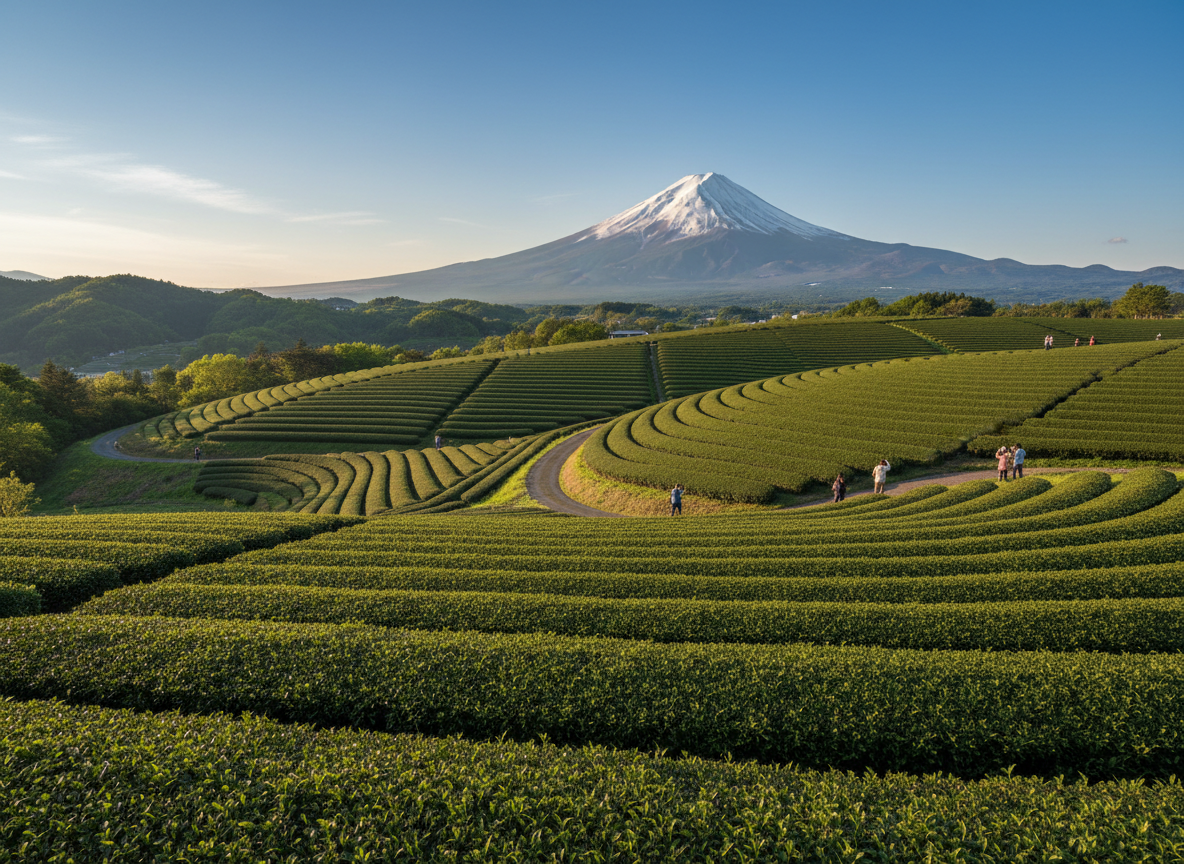
Shizuoka Launches Major Tourism Initiative Transforming Green Tea Hub into Key Destination
Officials in Shizuoka Prefecture have unveiled a comprehensive strategy to transform the region from a transit point into a primary destination for international travelers, the initiative leverages the area's status as Japan's premier green tea producer to attract visitors seeking cultural immersion along the famous Golden Route connecting Tokyo and Kyoto.
Centuries of Cultivation Shape Regional Identity
The area has historically served as a vital link between major political centers, its reputation as a tea production powerhouse began during the Kamakura Period when monks introduced cultivation techniques. This agricultural heritage expanded significantly under the patronage of the Tokugawa clan, the region eventually became the nation's largest tea exporter following the opening of commercial ports in the 1800s. Travelers using the Tokaido Shinkansen often view the prefecture merely as scenery passing by their windows, this passive observation ignores the deep historical roots defining local culture. The strategic location halfway between the capital and western cities positions the prefecture ideally for travelers, distinct cultural assets have remained underutilized until recent promotional shifts.
Campaign Highlights Authentic Slow Life Experiences
Tourism boards are aggressively marketing the concept of Japanese-style slow life to counter the rapid pace of standard travel itineraries, specific programs now allow visitors to participate in harvest activities at working plantations. The prefecture produces the majority of high-quality green tea in eastern Japan, this agricultural dominance provides a unique platform for experiential tourism including traditional ceremonies and modern farm stays. Highlights of the new campaign include accessible excursions to Sunpu Castle Park where the Momijiyama Garden offers traditional refreshments, these attractions sit against the backdrop of Mount Fuji which dominates the local skyline.
The famous Yabukita tea cultivar was developed here in the early 20th century, its creation showcases the technical innovation that farmers continue to apply to their craft today. Operators are introducing electric bike rentals to facilitate exploration of the Makinohara Plateau, these initiatives aim to disperse crowds away from congested transport hubs while offering intimate views of the landscape. Visitors can now access locations previously known only to locals, the integration of historical sites related to Commodore Perry creates a cohesive narrative that spans centuries of Japanese history.
Rural Communities Anticipate Economic Revitalization
Small businesses and agricultural producers stand to gain significantly from increased visitor dwell times, the shift toward experience-based travel creates new revenue streams for aging farming communities facing domestic consumption declines. Authorities are simultaneously implementing measures to manage visitor flows to ensure sustainability, specific protocols now regulate climbing access to protect natural resources from overtourism. The adaptation of organic farming methods aims to meet international standards, this evolution addresses global health trends while preserving the local environment.
The industry continues to modernize through digital platforms and youth engagement, stakeholders remain optimistic that Shizuoka will successfully evolve from a transit corridor into a global cultural landmark.