London Approves Massive Chinese Diplomatic Hub Amid Security and Privacy Disputes
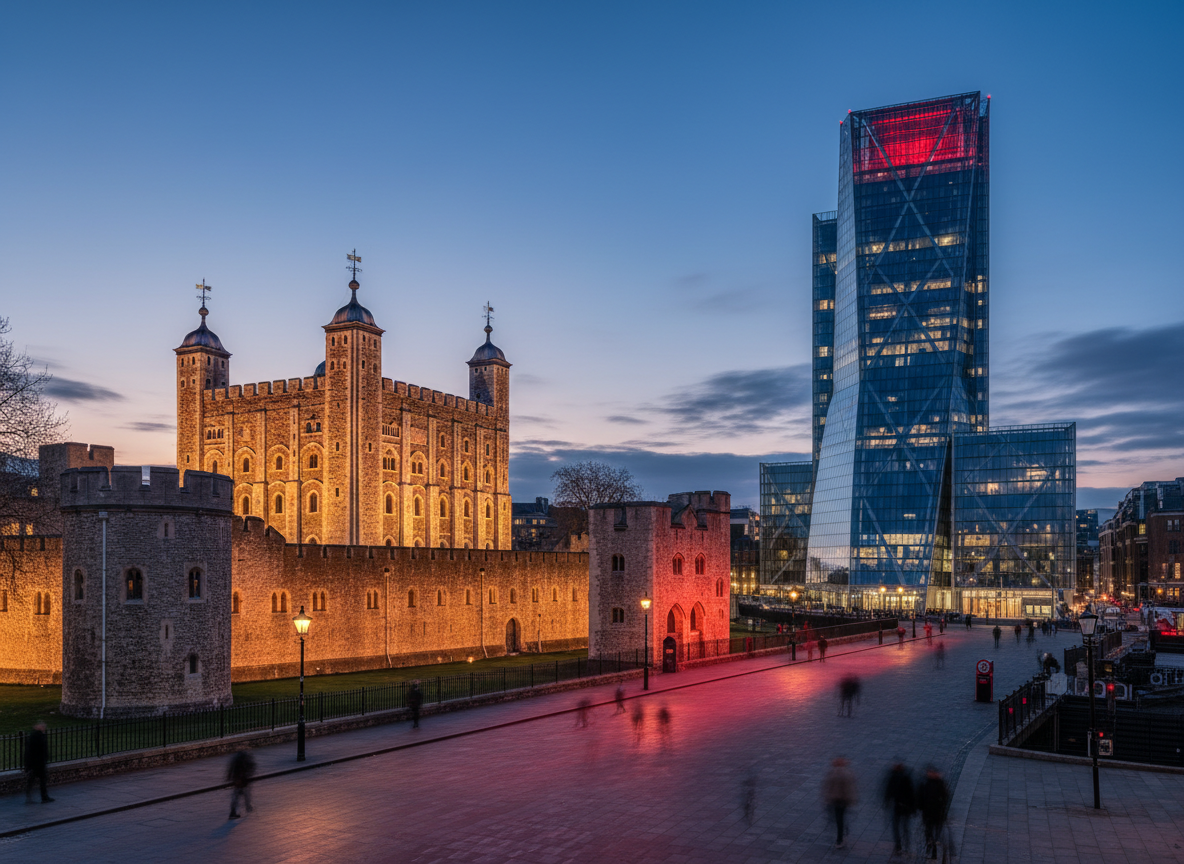
British officials officially sanctioned a sprawling new Chinese diplomatic compound near the Tower of London on Tuesday, the decision arrives as Prime Minister Keir Starmer prepares for a high-stakes visit to Beijing. Security experts warn the approval creates significant vulnerabilities regarding foreign interference and intelligence gathering.
Years of Diplomatic Friction Precede Approval
This development marks the culmination of a contentious eight-year saga involving the historic Royal Mint Court site, the property was purchased by Beijing in 2018 yet faced immediate pushback from local authorities. Tower Hamlets council members rejected the initial application in 2022 due to resident safety fears, the project stalled until national ministers intervened to review the proposal. Current geopolitical strategies prioritize stabilizing economic ties with China, the administration seeks to boost trade investment following post-Brexit economic stagnation. This policy shift creates friction with intelligence agencies that view the location as a strategic liability, previous reports suggest Chinese officials exerted pressure by disrupting utilities at British diplomatic outposts abroad.
Housing Secretary Overrules Objections for Billion-Dollar Complex
Housing Secretary Steve Reed formally granted permission for the 5.5-acre complex, the facility will become the largest diplomatic mission in Europe with a development cost exceeding $1 billion. Construction plans indicate the renovation of the Grade II listed building will transform the area into a fortress-like hub, the Chinese government notably refused to submit unredacted blueprints for specific internal sections during the review process. Beijing officials labeled requests for these architectural details as inappropriate, this lack of transparency alarmed security personnel who must protect nearby infrastructure.
Ministerial Oversight Bypasses Local Control
Security Minister Dan Jarvis stated he is content that risks are being appropriately managed, his assurance contradicts concerns from opposition leaders who argue the government capitulated to pressure. The approval process bypassed standard local planning protocols, central government officials utilized executive powers to expedite the decision ahead of upcoming diplomatic talks. Intelligence services including MI5 previously recommended strict mitigation measures, they warned that completely eliminating security threats remains an unrealistic goal given the scale of the project.
Residents and Allies Face New Security Reality
Local community groups are preparing a judicial review to challenge the legality of the decision, residents fear displacement and increased surveillance in their neighborhoods. International allies including the United States expressed dismay regarding the potential for espionage, the site sits dangerously close to critical fiber-optic cables serving the financial district. Human rights activists warn the expanded presence allows for greater monitoring of dissidents, protestors argue this compromises the safety of Hong Kong refugees residing in the capital.
Prime Minister Starmer will travel to Beijing shortly to formalize trade agreements, observers suggest this embassy approval serves as a diplomatic concession to ensure successful economic negotiations.