Japanese Prime Minister Takaichi Withdraws From Crucial TV Debate Citing Hand Injury
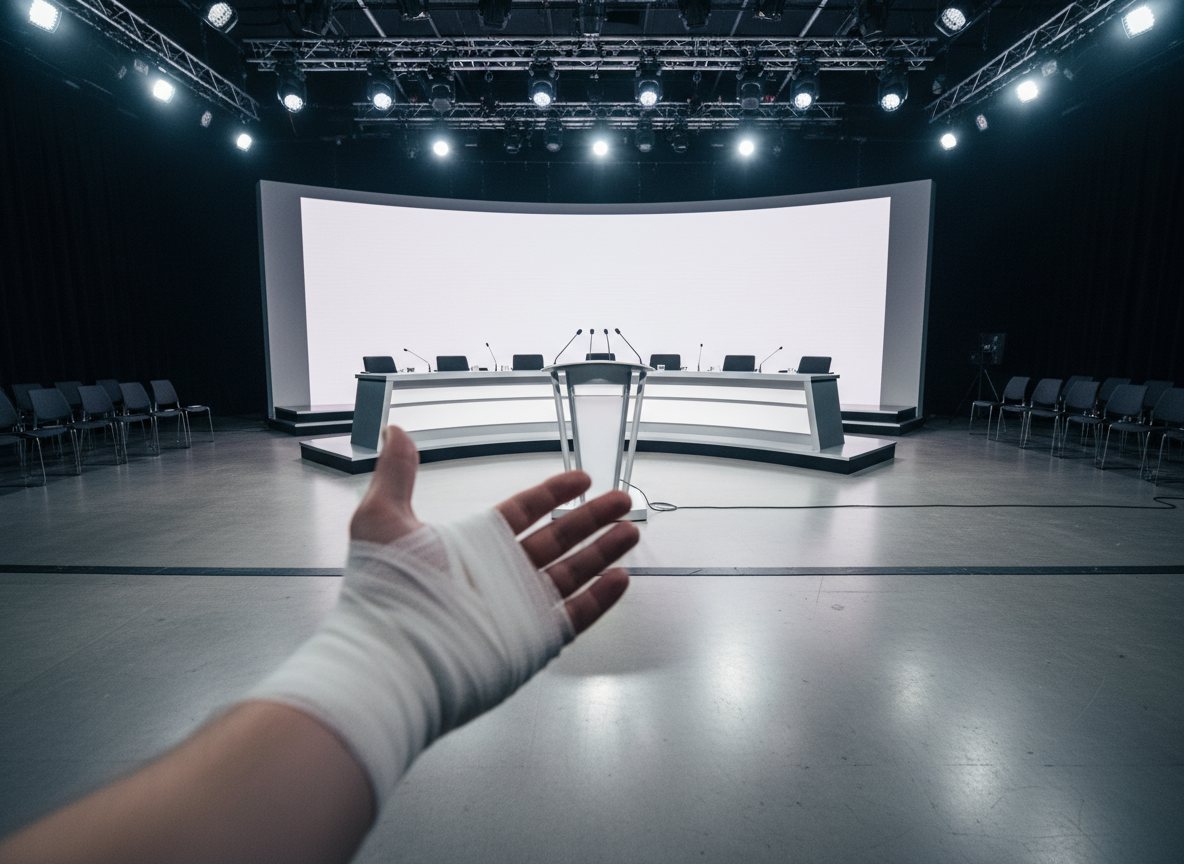
Prime Minister Sanae Takaichi abruptly canceled her scheduled appearance on a major televised debate on Sunday, February 1, citing a hand injury caused by an enthusiastic supporter. This unexpected withdrawal comes just one week before the country's general election, sparking intense speculation regarding her health and campaign strategy during this critical period.
Historic Leadership Faces Increasing Pressure Ahead of Vote
Sanae Takaichi shattered a major barrier in October 2025 when she ascended to become Japan's first female prime minister, she has since navigated a turbulent political landscape defined by regional instability. Her administration is currently seeking a fresh mandate from the public, the Liberal Democratic Party aims to secure a solid majority in the House of Representatives. This election cycle has been particularly grueling, candidates face an electorate concerned about economic stagnation and an aging society. The canceled debate appearance disrupts the standard rhythm of the campaign, political analysts note that such forums are usually considered essential for sitting leaders seeking reelection.
Sudden Medical Emergency Forces Last Minute Lineup Change
The incident unfolded on the morning of February 1 when Takaichi was set to join rival party leaders on a 75 minute NHK broadcast, this program is considered a centerpiece of election coverage. She revealed the details of her injury through a post on social media, she stated that an enthusiastic supporter pulled her hand forcefully during a greeting. The physical trauma triggered a flare of her chronic rheumatoid arthritis, this condition causes painful joint inflammation and necessitated immediate medical intervention. Norihisa Tamura stepped in to represent the Liberal Democratic Party during the live debate, he serves as the executive acting chairman of the party's Policy Research Council.
The prime minister refused to rest entirely despite the setback, she proceeded to Gifu and Aichi prefectures later that afternoon. Her campaign team modified her interactions to strictly verbal appeals, Takaichi delivered speeches to gathered crowds but refrained from the customary handshakes and physical greetings that define local Japanese politics. She maintained a visible presence in the Tokai region, her staff ensured no physical contact occurred to protect her swollen hand.
Voters Question Timing Amidst Growing Political Speculation
This absence has triggered skepticism among some media outlets and online commentators, they suggest the injury might serve as a convenient excuse to avoid difficult questions regarding the Unification Church scandal. Opposition parties may use this missed opportunity to attack the ruling party's transparency, undecided voters lose a critical chance to see the prime minister defend her policies against direct rivals. The disclosure of her chronic health condition also brings her physical stamina into the public discourse, this could become a sensitive topic as the campaign intensifies in its final week.
The Liberal Democratic Party must now navigate the final days of the race with heightened scrutiny, officials urge supporters to focus on policy achievements rather than the prime minister's physical condition ahead of the February 8 vote.