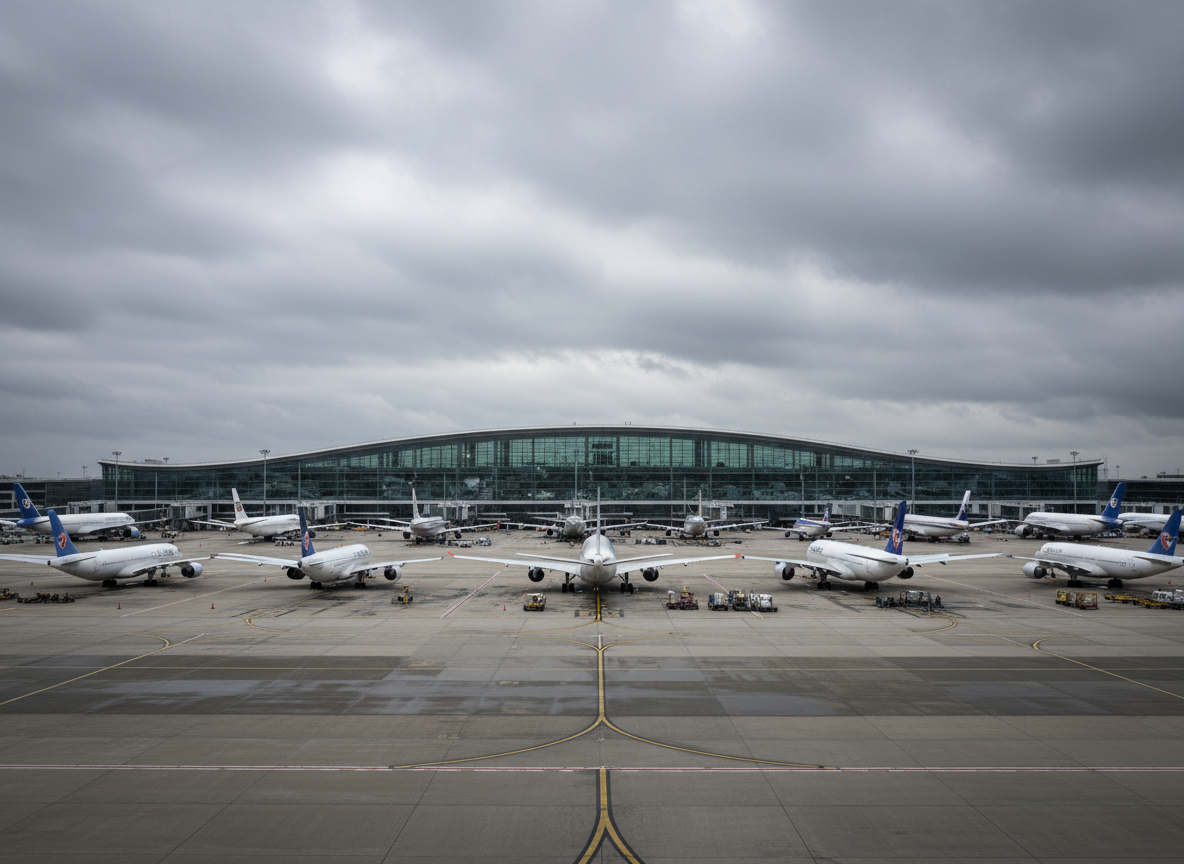
Severe Disruptions Ground Flights Across Asian Hubs Amid Operational Strain
A massive wave of aviation turmoil has paralyzed travel across Asia and the Middle East, airlines canceled 212 flights and delayed over 2,600 others on Friday. Thousands of passengers remain stranded at major hubs from Tokyo to Dubai due to a complex mix of weather and operational failures.
Recurring Instability Plagues Regional Aviation Sector
This widespread gridlock is not an isolated event, the region has suffered repeated breakdowns in recent months. The industry is still struggling to recover from pandemic-era staffing losses, ground handling and technical crews remain critically understaffed. This creates a fragile system where minor disruptions cascade into major logistical failures, a pattern seen throughout late 2025. Similar incidents occurred just weeks ago, nearly 900 flights were delayed in mid-December due to infrastructure loads. Experts note that infrastructure growth has not kept pace with the rapidly returning passenger demand, this leaves airports vulnerable to saturation. The current crisis underscores the persistent fragility of the global air travel network.
Major Carriers Struggle with Thousands of Delays
The latest data reveals widespread paralysis affecting 2,622 flights, major international hubs faced the heaviest burden during this operational collapse. Urumqi Diwopu International Airport reported some of the worst statistics with 310 delays, Jakarta’s main airport struggled with 431 delayed departures. Travelers in Bangkok and Tokyo faced similar stagnation, major carriers like Air China and Cathay Pacific were forced to ground planes unexpectedly. Dubai International Airport also saw significant issues, 323 flights were held back as the ripple effect spread westward.
Multiple Factors Converge to Halt Operations
Several distinct issues collided to cause this crisis, severe weather reduced runway visibility in East Asia. Simultaneously, geopolitical tensions in the Middle East forced complex rerouting, this added flight time and strained fuel logistics for carriers like Pegasus and Flydubai. Technical faults and a lack of spare parts further grounded specific aircraft, air traffic control centers in saturated corridors simply could not manage the volume. The convergence of these factors overwhelmed contingency plans at multiple airports.
Passengers Face Costs and Missed Connections
Thousands of travelers must now secure emergency accommodation, many will miss crucial business meetings or family events due to these sudden changes. The financial toll extends beyond ticket refunds, the hospitality sector faces unexpected strain from stranded guests. Previous disruptions have cost the global economy billions, this event suggests that total recovery costs will be substantial for both carriers and passengers who lose valuable time.
Industry leaders urge travelers to monitor flight status closely before heading to the airport. Officials warn that without significant investment in infrastructure and staffing, these operational bottlenecks will likely continue as travel demand rises.