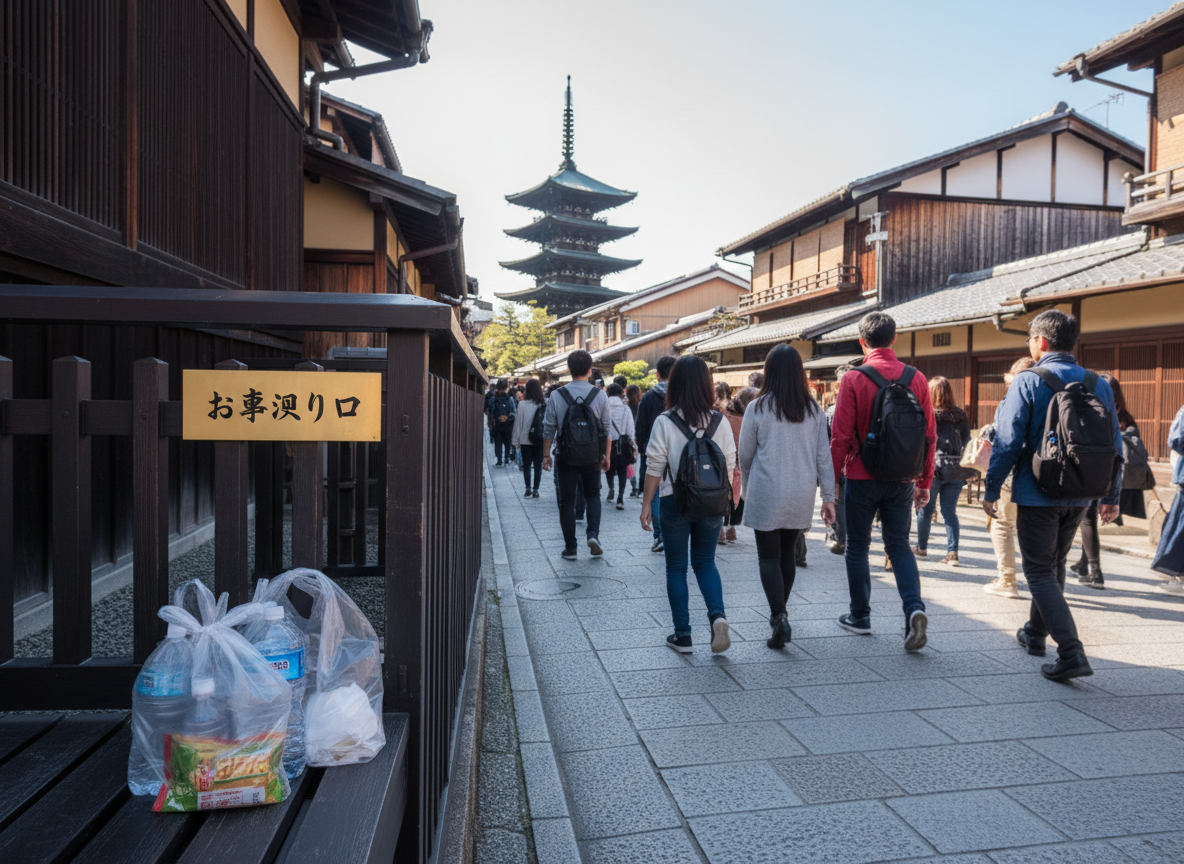
Japan Faces Waste Crisis as Record Tourism Clashes with Strict Bin Policies
Japan is grappling with a growing sanitation dilemma as international visitors struggle to locate public trash cans. The nation welcomed a record 42.7 million tourists last year, this massive influx creates friction with long-standing local customs that require individuals to carry their own waste home for disposal.
1995 Security Measures and Cultural Norms Defined Waste Strategy
The current scarcity of bins links directly to a traumatic event in modern history. The Tokyo subway sarin attack in 1995 prompted authorities to remove public receptacles to eliminate hiding spots for dangerous devices. This security protocol remains largely in effect today, it reshaped the urban landscape to prioritize safety over convenience. Cultural expectations further reinforce the system alongside these security measures. Citizens follow the principle of "Mottainai" which values resources and discourages waste. Consequently, residents habitually carry garbage home for complex sorting rather than relying on street-side disposal options.
Record Visitor Numbers Strain Infrastructure and Prompt New Solutions
The delicate balance of waste management is breaking under the weight of mass tourism. Surveys indicate that the lack of bins is now the top complaint among travelers, it ranks significantly higher than language barriers or crowded transportation. Visitors often purchase street food or drinks only to realize they have nowhere to discard the packaging. Local municipalities report rising litter levels in popular districts as confused visitors leave debris behind, this threatens the pristine reputation of Japanese cities.
Officials are testing technology to address the issue without compromising safety standards. Smart bins known as SmaGO use solar power to compress trash automatically, they hold five times more waste than standard containers. Tokyo's Shibuya ward is taking regulatory action to combat the mess in high-traffic zones. New rules require businesses like convenience stores to provide accessible disposal points, this shifts some responsibility back to vendors to ensure streets remain clean.
Travelers and Local Businesses Adapt to Evolving Sanitation Rules
Tourists must currently adapt by carrying waste for hours or using designated pockets as temporary storage. This friction creates awkward interactions between visitors and shop owners who often refuse outside trash to keep their own costs down. Small businesses face pressure to manage the overflow, they may incur higher fees for increased commercial collection services as they become de facto dumping grounds for tourist garbage.
Authorities urge visitors to respect local customs by carrying portable waste bags during their trips. Continued investment in smart infrastructure may eventually bridge the gap between strict security needs and modern tourist convenience.