IKEA Parent Company Expands Global Timber Strategy With Massive New Zealand Forest Projects
Ingka Investments is aggressively expanding its forestry portfolio in New Zealand by transforming a massive sheep station into a commercial timber hub, the move aligns with the retail giant's goal to secure its raw material supply chain while restoring native ecosystems.
Global Supply Chain Demands Drive Land Acquisition Strategy
Ingka Group operates as the largest IKEA retailer franchise, they have spent recent years securing raw materials directly rather than relying solely on external suppliers to combat market volatility. This strategy aims to guarantee a sustainable flow of wood for furniture production, the company views forest ownership as a critical buffer against global shortages and rising prices. New Zealand offers ideal climate conditions for rapid timber growth, the nation has experienced a notable trend where investors convert traditional pastoral farmland into forestry operations to meet international demand.
The company entered the New Zealand market in 2021, this initial investment marked the beginning of a long-term plan to integrate the country into its global resource network. These acquisitions often target land previously used for grazing, the strategy repurposes the soil for high-yield tree crops while retiring sensitive areas for conservation.
Conversion of Historic Farmland into Commercial Timber Operations
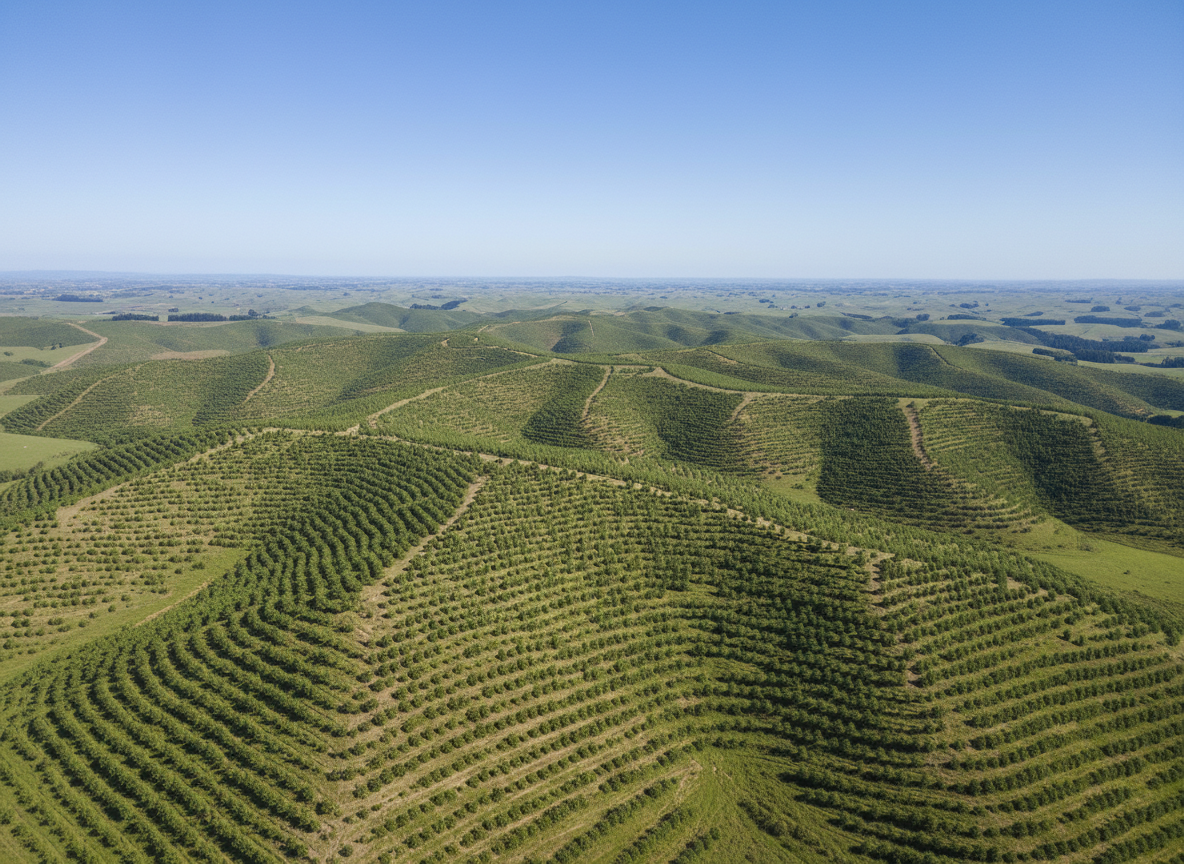
The focal point of this current expansion involves Wisp Hill Station in Otago, the company purchased the 5,500-hectare property to transition it from sheep and beef farming to productive forestry. Managers will plant approximately 3,300 hectares with commercial timber species, the primary crop includes Pinus radiata along with Redwood and hybrid varieties to maximize yield. This project represents just one fraction of a much larger ambition, Ingka Investments currently holds nearly 30,000 hectares nationwide and explicitly plans to reach a total of 100,000 hectares in the coming years.
Strategic Focus on Production Over Carbon Credits
Company representatives emphasize that this venture prioritizes physical timber over financial carbon farming, the wood harvested will eventually feed directly into the manufacturing of IKEA products rather than serving as a carbon offset asset. Approximately 2,130 hectares of the property are reserved strictly for regeneration, this area will feature native species plantings to support local biodiversity and protect waterways near the sensitive Catlins Forest Park.
Local Economies and Ecosystems Face Long-Term Transformation
This transition from pastoral farming to forestry creates mixed reactions among rural residents, some communities express worry regarding the visual and social impact of extensive pine plantations replacing traditional farms. The project promises to generate employment through planting and future harvesting operations, Ingka plans to foster relationships with domestic sawmills to process the timber locally rather than exporting raw logs. This approach attempts to balance corporate resource needs with regional economic stability, the government oversees these foreign investments to ensure they benefit the national interest.
The forestry expansion coincides with IKEA's retail entry into the New Zealand market later this year, officials assert that owning the forests ensures resources remain productive and healthy for future generations.