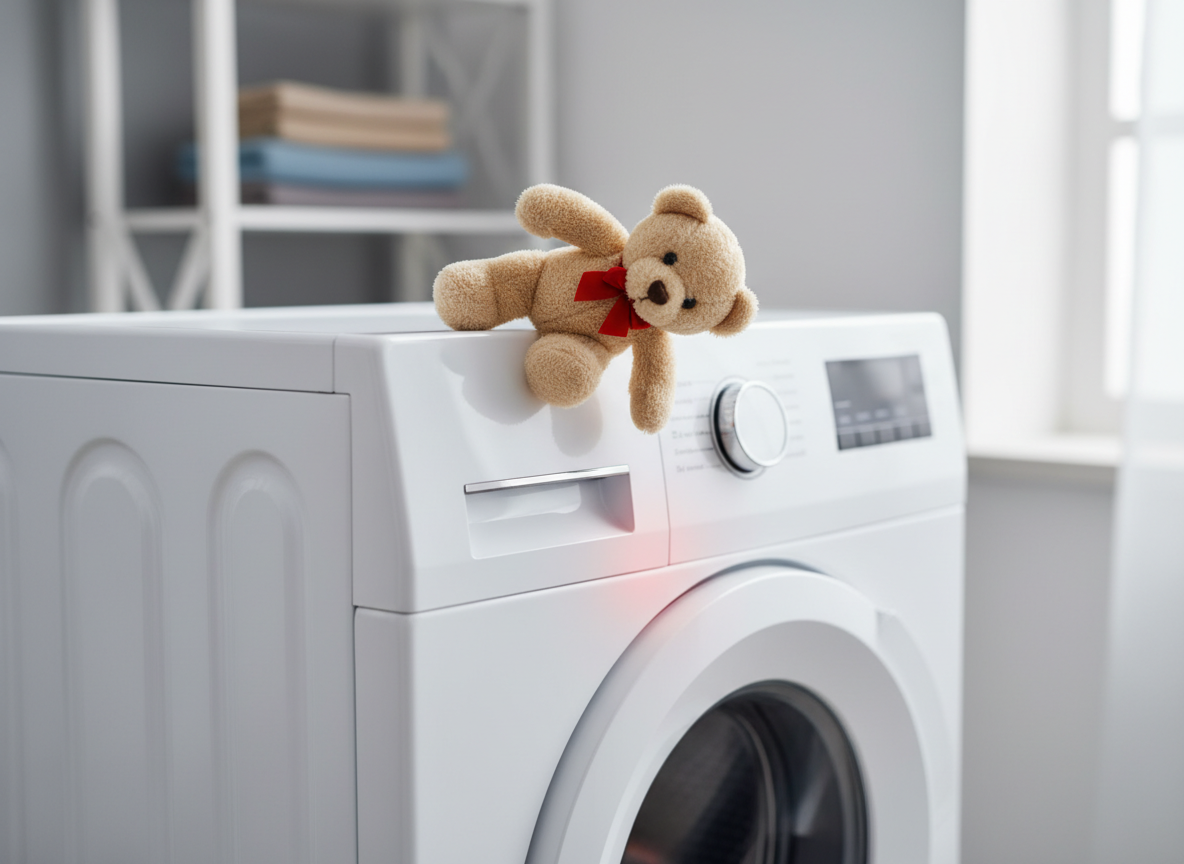
Government Agency Issues Urgent Warning Regarding Infant Falls From Household Washing Machines
Japan's consumer safety officials issued a critical alert this week urging guardians to never place infants on washing machines, data reveals these appliances are a primary source of severe domestic accidents. The warning follows a disturbing rise in head injuries and fractures among children under six months old, authorities are calling for immediate behavioral changes in households.
Persistent Household Hazards Spark Investigation Into Infant Safety
The National Consumer Affairs Center of Japan (NCAC) has monitored domestic accidents since 2010 through a specialized network connecting medical institutions, this long-term surveillance aims to identify hidden dangers within the home environment. Parents often view washing machines as convenient temporary surfaces during bath time or diaper changes, many assume that infants incapable of rolling over remain stationary and safe. This false sense of security has contributed to a consistent pattern of avoidable trauma, the agency is now prioritizing this issue due to the severity of the resulting injuries compared to other common household falls. The investigation highlights how routine actions taken by caregivers can inadvertently place vulnerable infants at risk of life-altering injuries.
Statistics Reveal High Risk of Severe Head Trauma From Falls
A detailed analysis covering April 2020 to October 2025 uncovered 78 fall-related accidents involving infants during bathing or laundry routines, nearly 20 percent of these incidents occurred specifically on washing machines. Officials note that washing machines account for a disproportionately high rate of critical injuries, five out of twelve reported cases of intracranial damage or fractures originated from these appliances. The danger is particularly acute for babies aged one to three months, even infants who cannot yet turn over generate enough force through kicking or arching to shift their position on a smooth surface. These movements can cause a child to plummet to the floor in seconds, the height of a standard machine is sufficient to cause major bodily harm.
Manufacturers Urged to Update Safety Protocols
The investigation highlights risks across all machine types, drum-style units often present inviting flat surfaces while top-loaders with sloped lids cause infants to slide off unexpectedly. The NCAC has formally requested industry groups to implement clearer warning labels on products, the goal is to alert caregivers to the instability of these surfaces before an accident occurs. Experts emphasize that the vibration of a running machine adds another layer of danger, however static machines pose the primary threat due to parental misuse. The agency is pushing for immediate updates to consumer displays to ensure the risk of falling is communicated effectively to every user.
Guardians Face Renewed Calls for Vigilance in Bathrooms
Families with young children must immediately alter their bathroom routines to eliminate this specific hazard, the convenience of using a machine as a changing table is outweighed by the proven risk of skull fractures. Manufacturers are expected to revise product designs and warning stickers in the near future, these changes aim to make the danger obvious to exhausted parents. The medical community anticipates a reduction in emergency room visits if these guidelines are strictly followed, caregivers are advised to use the floor or designated changing tables exclusively.
Authorities continue to monitor hospital data for signs of improvement, officials emphasize that the floor is always the safest place for a baby during bath preparations and urge parents to spread this vital safety message.