Technical Issue Forces Shutdown of Largest Nuclear Plant Day After Restart
Japan's push to revitalize its atomic energy sector faced an immediate setback on Thursday when the world's largest nuclear facility suspended operations just hours after coming online, officials reported a malfunction in the control rod system, this incident raises fresh questions about the readiness of the nation's aging infrastructure.
Decade of Inactivity Ends Amidst Policy Shift
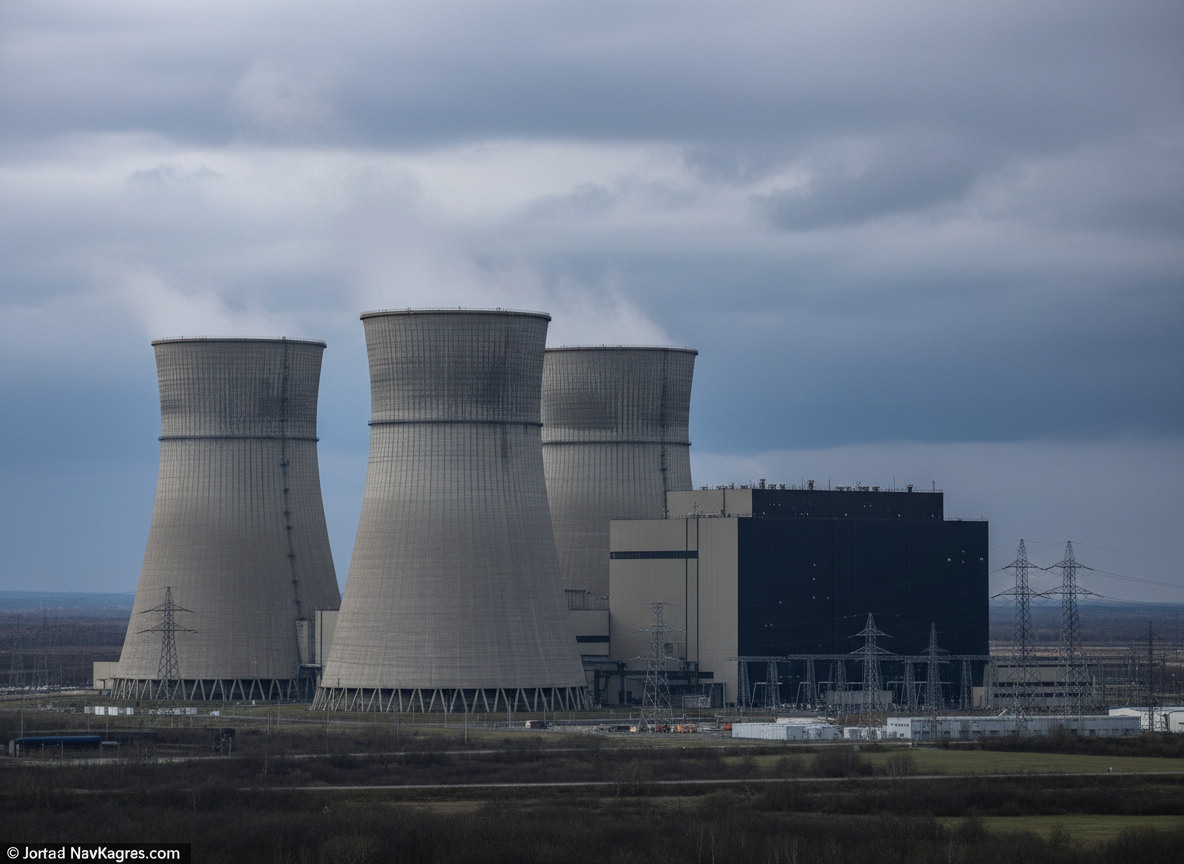
The Kashiwazaki-Kariwa Nuclear Power Plant has remained offline since 2012 following the catastrophic events at Fukushima, the facility sits in a seismically active zone in Niigata Prefecture. Tokyo Electric Power Company (TEPCO) faces intense public scrutiny due to a history of safety scandals, these include admitted data falsification in 2002 and complications following a major earthquake in 2007. The national government recently pivoted its energy strategy to emphasize the maximum use of nuclear power, the new plan aims for nuclear sources to generate approximately 20 percent of the country's electricity by 2040.
Equipment Alarm Triggers Immediate Reactor Shutdown
Operators initiated a manual shutdown of Reactor No. 6 after an alarm sounded during the startup process, the warning signal indicated a malfunction within the control rod drive system. Engineers identified the specific issue as a problem with an inverter in the electric motor control panel, this component regulates the withdrawal of rods used to initiate fission. Tokyo Electric Power Company confirmed that the reactor remains in a stable condition, monitoring equipment detected no abnormalities in radiation levels outside the facility.
This restart attempt marked a significant milestone as the first TEPCO operated unit to go online since the 2011 disaster, the process stalled almost immediately during the critical phase of withdrawing control rods. Academic experts noted that the alarm might have been a false positive rather than a mechanical failure, the utility provider has launched a comprehensive investigation to identify the root cause. The outcome of this inquiry will determine when the unit can attempt another startup, the schedule currently remains indefinite.
Energy Goals Face Setbacks and Public Skepticism
The abrupt suspension complicates Japan's aggressive roadmap toward achieving carbon neutrality by 2050, policymakers rely heavily on restarting idled reactors to reduce dependence on fossil fuels. Local opposition remains a formidable hurdle, polls indicate that roughly 60 percent of regional residents oppose the reactivation of the plant due to safety fears. This reliability failure may embolden anti nuclear groups who argue that the aging facilities are unfit for operation, delays in bringing capacity online threaten to leave the national grid vulnerable during periods of peak demand.
Government officials await the final report from the operator before authorizing further actions, the incident underscores the immense technical challenges facing the nation as it attempts to balance energy security with public safety.