Financial Podcaster Michael Houghton Reports New Zealand Groceries Significantly Outprice Irish Markets
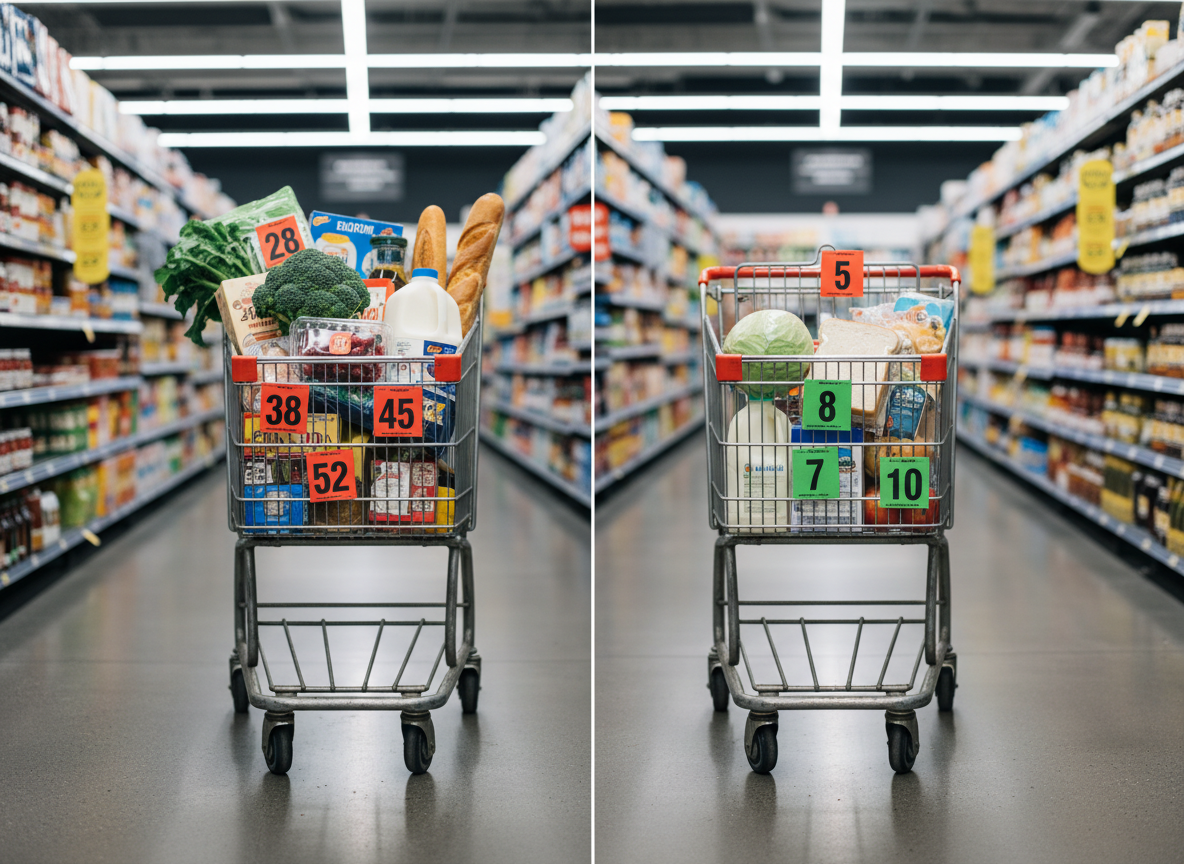
Michael Houghton recently highlighted a significant disparity in the cost of essential goods between Ireland and New Zealand, the host of 'The Irish FIRE Podcast' noted that grocery bills were considerably higher during his trip to the southern hemisphere. This observation comes as both nations grapple with persistent inflationary pressures, it raises questions about relative purchasing power for residents in these island economies.
Global Inflation Trends Create Challenging Environment for Island Economies
Both Ireland and New Zealand have faced severe upward pressure on food prices since 2021, supply chain disruptions and geopolitical events have driven costs higher for imported and domestic goods. Ireland has historically maintained food prices approximately 14% above the European Union average, recent data indicates a 27% surge in Irish grocery costs between 2021 and mid-2025. New Zealand faces unique challenges due to a lack of competition in its grocery sector, the market is dominated by two major players which limits price improvements for consumers. These structural issues mean that external shocks like energy cost rebounds or adverse weather events have an outsized impact on the final price tag for shoppers, the geographical isolation of both nations further complicates supply logistics.
Data Confirms Steep Price Hikes for Essential Food Items
Houghton's personal experience aligns with specific economic indicators that show persistent volatility in food pricing, statistical analysis reveals that staple items have seen double-digit increases in both jurisdictions. New Zealand recorded a staggering 46.5% annual rise in butter prices leading up to June 2025, milk costs also jumped by over 14% during the same period. Irish consumers have faced similar struggles with beef prices climbing 22% and dairy products seeing substantial markups, these increases are driven by higher farm-gate prices and regulatory costs.
While some data from January 2026 suggested New Zealand groceries might be marginally cheaper, the lived experience of visitors like Houghton suggests otherwise. The podcast host focuses on financial independence, his keen eye for budgeting highlights the practical reality that New Zealand remains an expensive destination for basic sustenance. Irish retail grocery prices were 14% higher than the EU average in 2024, yet the recent comparison suggests New Zealand's pricing structures are even more punishing for the average wallet.
Specific Commodity Costs Drive Disparity
The price of protein and dairy serves as a primary driver for these high bills, beef steak and mince have seen substantial hikes in the New Zealand market. Ireland has seen milk prices rise 18.7% by April 2025, this indicates that domestic production does not necessarily shield consumers from global pricing trends.
Regulatory Bodies Scrutinize Market Dominance to Aid Shoppers
The high cost of food has prompted government intervention in New Zealand to encourage competition, officials introduced an "express lane" for new supermarkets to challenge the existing duopoly. Irish shoppers are currently seeing wages outpace inflation, this helps mitigate some of the sting from rising receipt totals. Consumers in both nations must navigate these elevated price floors, experts warn that while inflation rates are slowing, the actual price tags on shelves are unlikely to revert to pre-pandemic levels.
Economic forecasters expect food inflation to trend downward through 2027, however demand-side pressures will likely keep prices high. Officials urge continued monitoring of retail pricing strategies to ensure fair value for households.