Diplomatic Rift Deepens As Trump Rescinds Canada's Invitation To New Peace Board
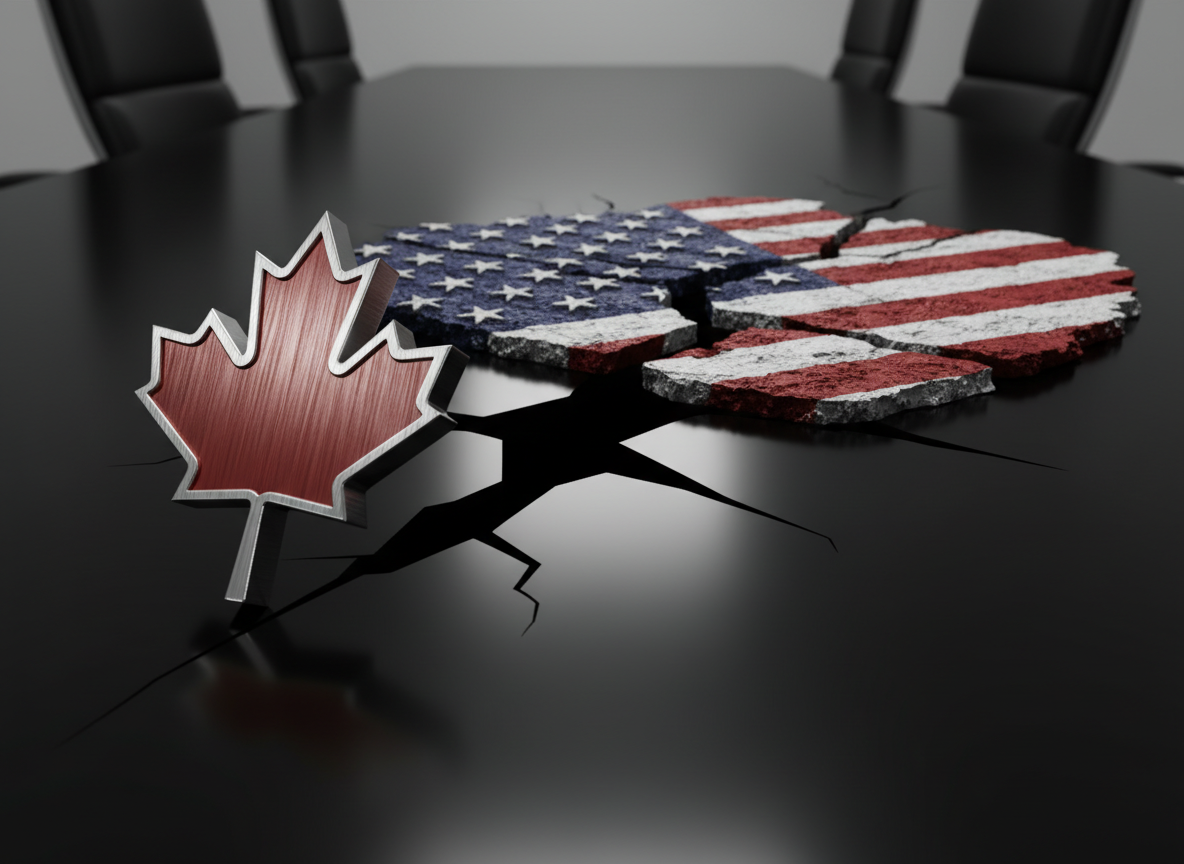
Former President Donald Trump abruptly withdrew Canada's invitation to join the Board of Peace on January 22. This decision escalates a public conflict with Prime Minister Mark Carney following critical remarks made in Davos. The move signals deteriorating relations between the historic allies amid growing trade disputes involving Chinese markets.
Longstanding Trade Disputes And Rhetoric Fuel Current Diplomatic Tensions
This latest diplomatic rupture stems from rising friction regarding global economic policies. Prime Minister Carney recently addressed the World Economic Forum where he suggested the American led order is fracturing. His call for middle powers to unite angered American leadership who view such statements as a challenge to sovereignty. Additionally, the United States has expressed frustration over Ottawa’s strengthening commercial ties with Beijing. American officials worry these new trade agreements provide a backdoor for Chinese goods to enter North American markets without tariffs. These accumulated grievances created a volatile environment before the invitation withdrawal.
Trump Withdraws Offer Demanding Loyalty While Threatening Severe Economic Penalties
The removal of Canada from the Board of Peace roster occurred swiftly after the Prime Minister refused to align fully with American demands on January 22. Trump publicly criticized the northern neighbor for being ungrateful despite heavy reliance on American protection and commerce. He specifically noted that Canada exists largely because of United States support.
Financial Demands And Tariff Threats
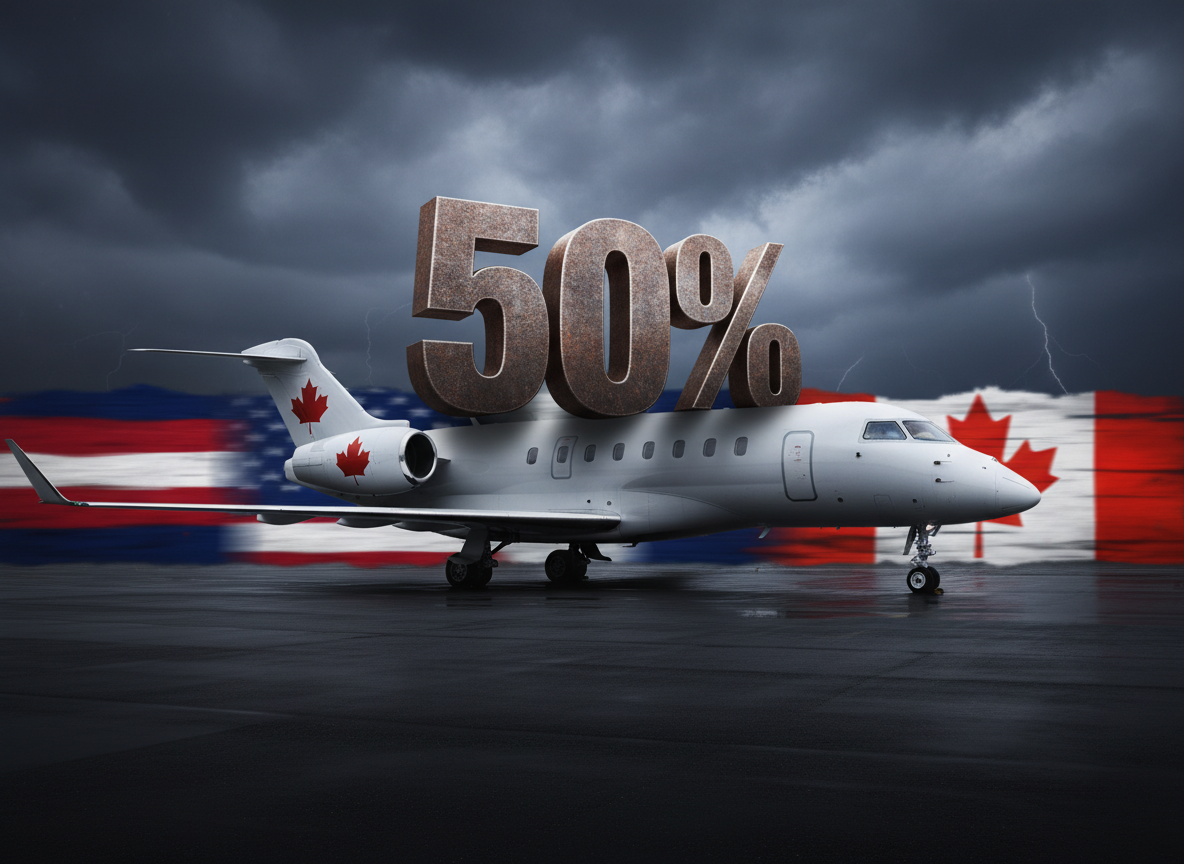
Sources indicate the Board of Peace requires a permanent membership fee of $1 billion which Ottawa refused to pay. The organization grants Trump veto power over decisions and aims to oversee international stability efforts like the Gaza peace plan. Beyond the organizational dispute, the former President threatened to levy 100% tariffs on all Canadian imports if the nation pursues independent deals with China. Treasury Secretary Scott Bessent supported this stance by emphasizing the need to close economic loopholes that benefit foreign competitors. This ultimatum places immense pressure on the upcoming review of the USMCA trade agreement as officials navigate these complex demands.
Industries Brace For Potential Disruption As Alliances Fracture
The threat of aggressive tariffs has triggered immediate anxiety across the Canadian economic landscape. Business leaders fear that new duties could cripple cross border commerce and increase consumer costs significantly. Furthermore, this diplomatic breakdown casts doubt on the legitimacy of the Board of Peace itself. Major allies including France and the United Kingdom have already expressed skepticism regarding the organization's structure and alignment with established international charters.
Officials must now prepare for difficult negotiations regarding the continental trade pact. Analysts warn that continued hostility could permanently alter the strategic partnership between Washington and Ottawa in the coming months.