Washington Adapts as Routine Federal Shutdowns Normalize Political Dysfunction in Capital
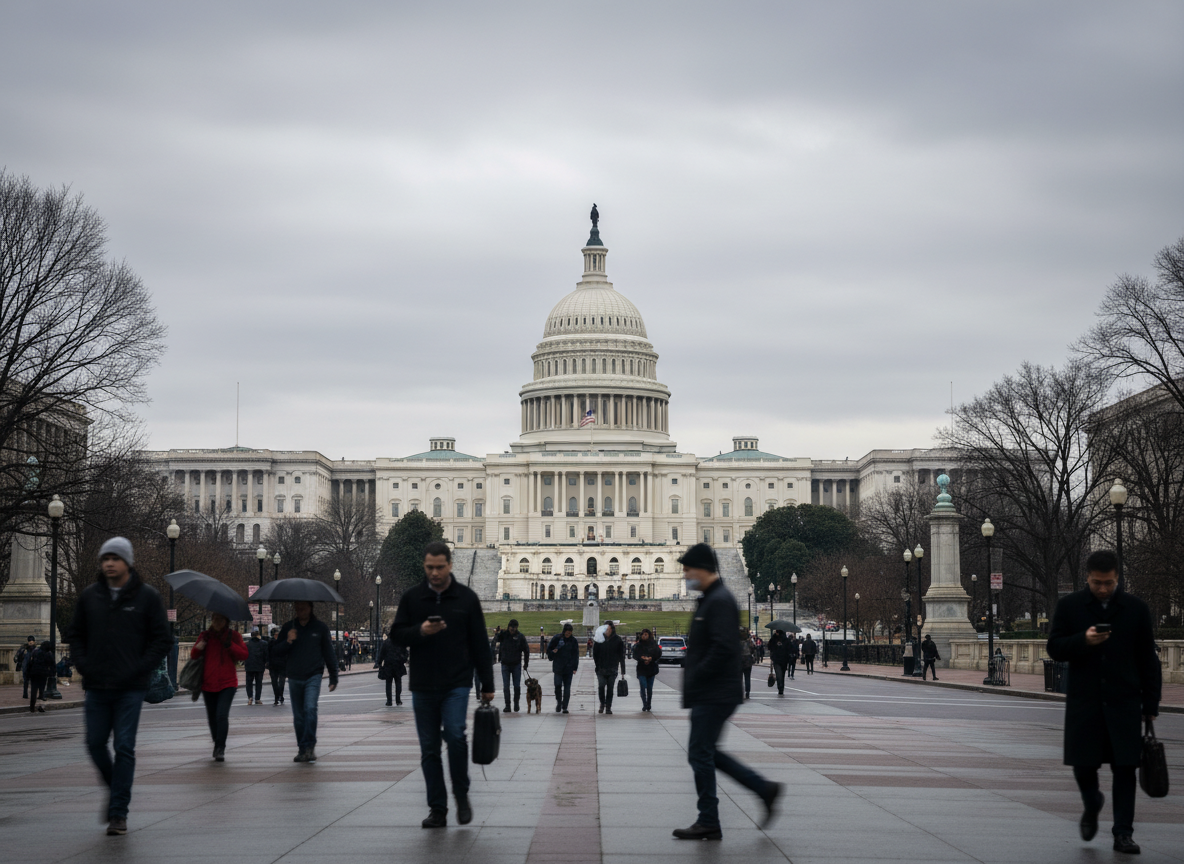
Residents across Washington D.C. continued their daily routines with surprising calm on Sunday despite a partial government shutdown that began on January 30, 2026. This public apathy highlights a growing desensitization in the nation's capital, legislative gridlock has transformed what was once a rare crisis into an expected procedural hurdle for the federal workforce.
Recent Record-Breaking Closure Fuels Public Indifference to Current Impasse
The current funding gap follows closely on the heels of a historic 43-day shutdown that paralyzed the capital from October through November 2025. This previous event, the longest in history, exhausted the emotional reserves of the city and forced local institutions to adapt their survival strategies to maintain operations. Residents now view these lapses as inevitable features of the political calendar rather than emergencies, this shift in perception marks a concerning normalization of congressional failure. The frequency of these budget battles has diminished their shock value significantly, citizens are increasingly focusing on local cultural events rather than the halted machinations of Capitol Hill.
Major Attractions Remain Open While Critical Agencies Face Funding Freeze
Unlike previous episodes where the National Mall fell silent immediately, the current situation presents a confusing patchwork of functional and frozen operations. Popular destinations like the Smithsonian Institution and the National Zoo remain open to the public, they successfully secured funding through September 2026 during previous budget negotiations. Consequently, the visual cues of a government failure are largely absent from the tourist centers, public transportation systems including the Metro continue to run on standard schedules without interruption. However, this surface-level normalcy hides the reality that agencies including Homeland Security and the Department of Transportation lack appropriated funds to operate normally.
The legislative failure stems from unresolved disputes regarding appropriation bills for the fiscal year, this has left varying departments in limbo. While essential workers in law enforcement and the military remain on duty without immediate pay, the urgency that usually accompanies such deadlines has evaporated among the general populace. Political analysts note that the ability of local government and cultural institutions to mitigate immediate disruptions has inadvertently reduced the pressure on lawmakers to resolve the standoff quickly. This dissonance creates a surreal atmosphere where city life proceeds uninterrupted while substantial portions of the federal apparatus stand idle.
Federal Contractors and Small Businesses Bear Brunt of Economic Fallout
While federal employees rely on legislation ensuring retroactive pay once funding is restored, thousands of government contractors face a much darker financial reality without such guarantees. These workers often suffer permanent income loss during shutdowns, this creates a ripple effect that damages local commerce and service industries. Economists estimate that every week of stalled government operations costs the broader United States economy billions in lost Gross Domestic Product. Small business owners in the region report that even with attractions open, the pervading uncertainty dampens consumer confidence and reduces discretionary spending significantly.
Governance experts warn that treating these disruptions as routine erodes the effectiveness of federal agencies and lowers morale over time. Officials urge Congress to break this cycle of brinkmanship before the cumulative economic damage becomes irreversible.