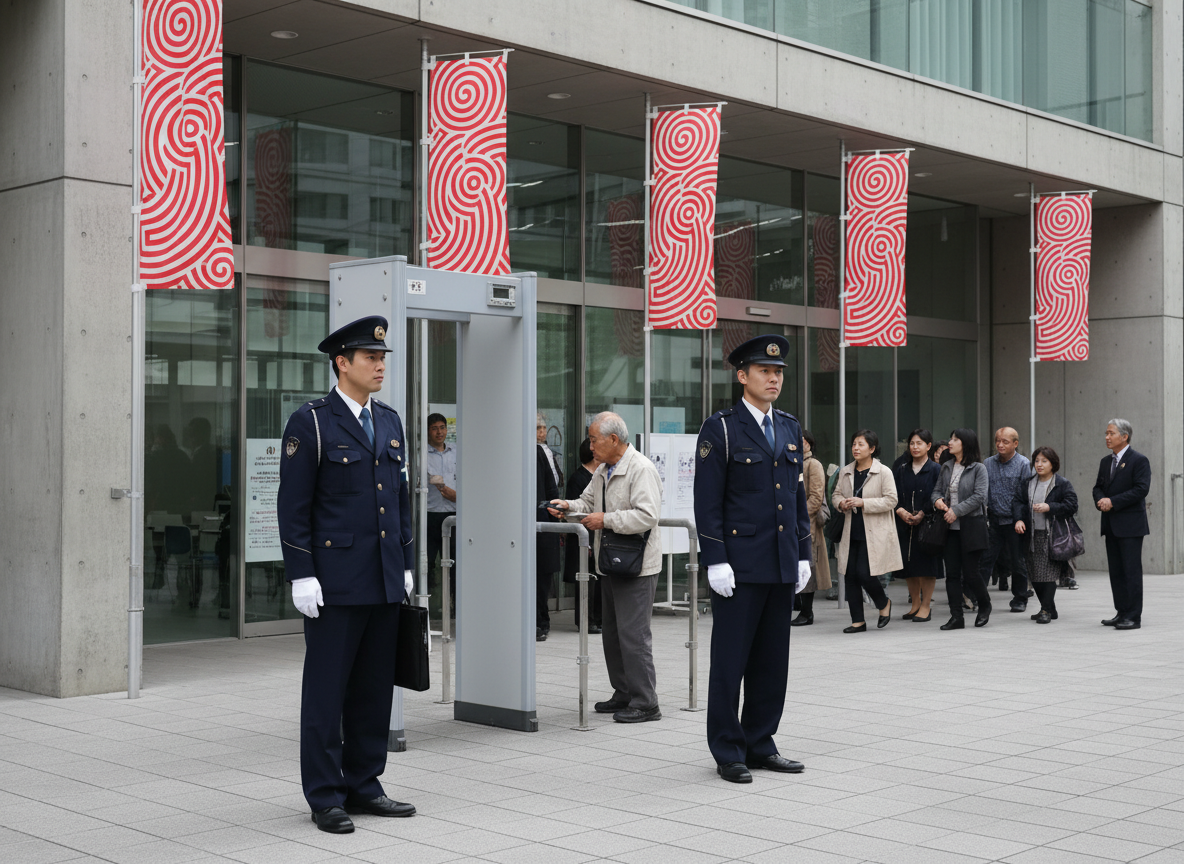
Tokyo Court Orders North Korea to Compensate Victims of Deceptive Repatriation Program
A Tokyo district judge issued a landmark decision on January 26 requiring North Korea to pay damages to four plaintiffs, this ruling addresses a decades-old migration scheme that lured thousands from Japan with false promises of a socialist paradise.
Promises of Utopia Lured Thousands During Cold War Era
Between 1959 and 1984, North Korea orchestrated a massive migration campaign known officially as the "repatriation program." Agents targeting ethnic Koreans in Japan promised free healthcare, education, and guaranteed jobs, these offers appealed deeply to a community facing severe discrimination and poverty in post-war Japan. Approximately 93,000 individuals boarded ships for what was advertised as a "Paradise on Earth," however, upon arrival they encountered starvation, forced labor, and political imprisonment.
This initiative was facilitated by the Chongryon organization and supported by the Japanese government, which viewed the migrants as a social burden at the time. Survivors describe a "living hell" where basic human rights were nonexistent, communication with the outside world was severed, and attempts to leave were punishable by death or imprisonment in labor camps.
Judge Holds Pyongyang Liable for Human Rights Abuses
The Tokyo District Court delivered a historic verdict on January 26, ordering the North Korean government to pay 80 million yen in total compensation. Each of the four plaintiffs was awarded 20 million yen, approximately $130,000, for the suffering endured after being deceived into relocating. Presiding judges ruled that North Korea solicited migrants through false propaganda, this marks the first instance of a Japanese court asserting jurisdiction over the reclusive state for civil damages.
Legal Strategy and Execution
Lawyers for the plaintiffs successfully argued that the recruitment campaign constituted a state-sponsored kidnapping operation. One prominent survivor, Eiko Kawasaki, testified about escaping the regime after 43 years of hardship, the court recognized these accounts as proof of illegal solicitation. Although North Korea ignored the summons and refused to participate in the proceedings, the trial continued in their absence, setting a rare legal precedent for holding sovereign nations accountable in domestic courts.
Plaintiffs Face Barriers in Seizing North Korean Assets
While the verdict offers moral vindication, legal experts warn that securing the actual funds will be extremely difficult. Japan lacks diplomatic relations with North Korea, therefore there is no direct mechanism to enforce the payment order. Attorneys plan to petition for the seizure of North Korean assets located within Japan, potentially targeting funds held by affiliated organizations.
This ruling is expected to further chill the already frosty relationship between Tokyo and Pyongyang, it may complicate ongoing negotiations regarding other humanitarian issues such as the abduction of Japanese citizens. Activists hope this decision encourages similar lawsuits globally, human rights groups urge the international community to maintain pressure on the regime regarding its history of state-sponsored deception.