Strict Security Protocols Implemented for Japan General Election Following Abe Assassination
Japan is deploying unprecedented police resources for the February 8 House of Representatives election to prevent political violence. Authorities have mandated rigorous screening and venue inspections to avoid repeating the tragedy of former Prime Minister Shinzo Abe's assassination.
Assassination of Former Leader Reshapes National Safety Protocols
The political landscape in Japan shifted dramatically after the July 2022 assassination of Shinzo Abe in Nara. Security personnel failed to cover the rear area during his speech, this allowed an attacker to approach with a homemade weapon and fire two shots. The National Police Agency responded by revamping protection guidelines in August 2022 to eliminate such vulnerabilities. This upcoming vote represents the third national election held under these rigorous standards, it cements a permanent move away from Japan's traditionally open and accessible campaigning style.
Authorities Unveil Comprehensive Screening and Surveillance Measures
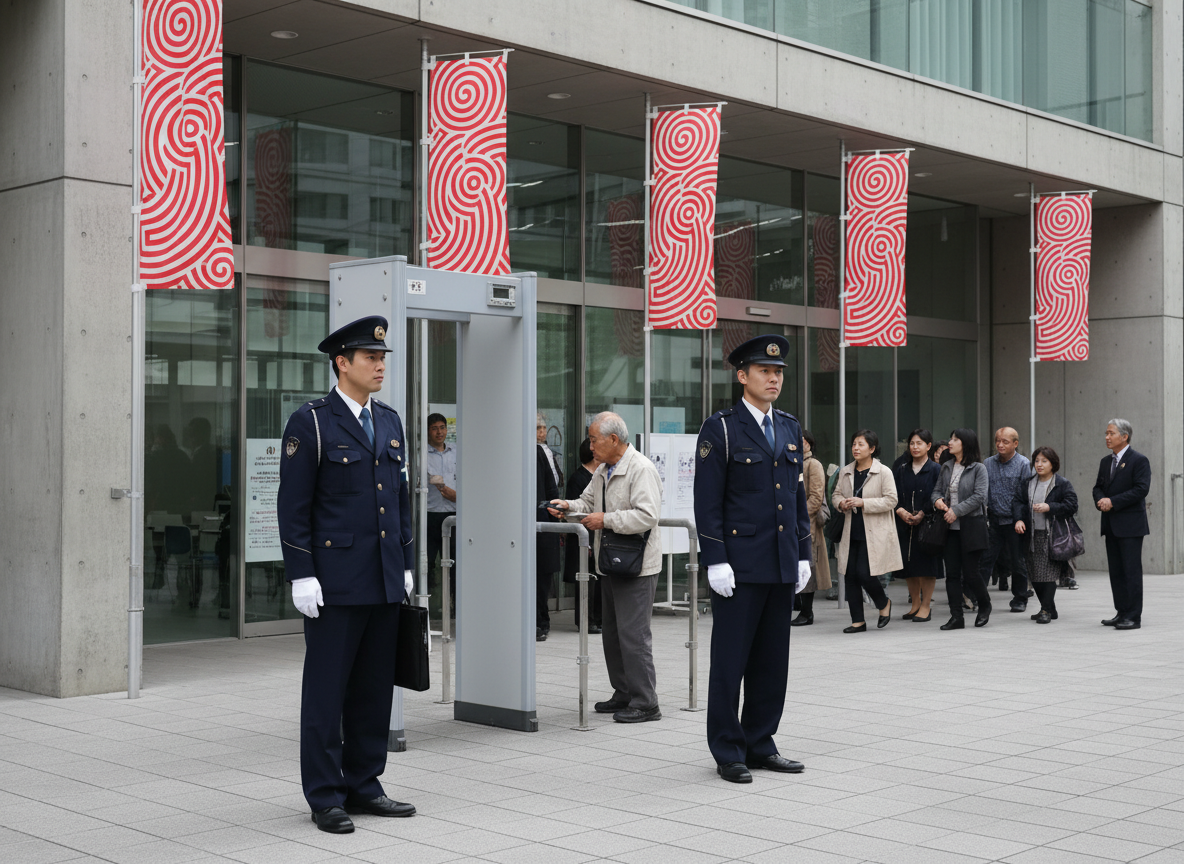
Police presence has surged across the nation as campaigning officially begins for the February 8 vote. Officers are enforcing mandatory bag checks and metal detection at rally sites, these procedures resulted in long queues during Prime Minister Sanae Takaichi's recent kickoff speech in Tokyo. Local precincts must now inspect every potential speech venue in advance to identify risks such as elevated firing positions or blind spots before granting approval.
Campaign teams face new logistical hurdles under these rules. They are urged to select indoor auditoriums or confirmed secure locations rather than spontaneous street corners, this ensures officers can control the perimeter effectively. The National Police Agency now acts as a central oversight body, they review draft security plans from prefectural police and frequently order modifications to ensure compliance with the heightened standards.
Online Monitoring Targets Lone Wolf Threats
Cyber units are intensifying their scrutiny of social media platforms to detect warning signs before violence occurs. Strategies focus on identifying solitary actors who may harbor grievances against political organizations, this mimics the profile of Abe's assassin. Intelligence officials aim to disrupt these "lone wolf" plots by tracking keyword usage and aggressive online behavior directed at public figures.
Voters and Candidates Navigate Stricter Campaign Environments
The era of close physical interaction between Japanese politicians and the public has largely ended due to these protocols. Candidates are positioned further away from audiences, this creates a physical barrier that critics argue could weaken democratic engagement. Voters must now navigate security checkpoints to hear speeches that were previously accessible to anyone walking down the street, this changes the atmosphere from festive to guarded.
Officials maintain that these inconveniences are necessary to protect the integrity of the electoral process. The government remains committed to preventing violence while ensuring the February 8 vote proceeds without interruption.