Senate Probe Reveals Lockheed Paid Millions to Sway Japanese Aviation Deals
A massive corruption scandal has exposed deep ties between American aerospace giant Lockheed and Japanese leadership, the 1976 revelations detailed millions in bribes paid to secure aircraft contracts. This scheme implicated top political figures and forever changed global business ethics.
Postwar Political Climate Created Conditions for Corruption
Japan built its economy after the war on close cooperation between the government and big business, this system relied heavily on personal relationships. Conservative politicians often required vast sums of money to maintain influence within the Liberal Democratic Party, this created an environment ripe for financial manipulation. Lockheed faced its own crisis in the early 1970s, the company struggled with severe debts and needed international sales to survive. These two factors converged to create a massive bribery operation, the American firm sought to exploit the Japanese political landscape to save its own business.
Investigation Uncovers Secret Payments to Fixers and Officials
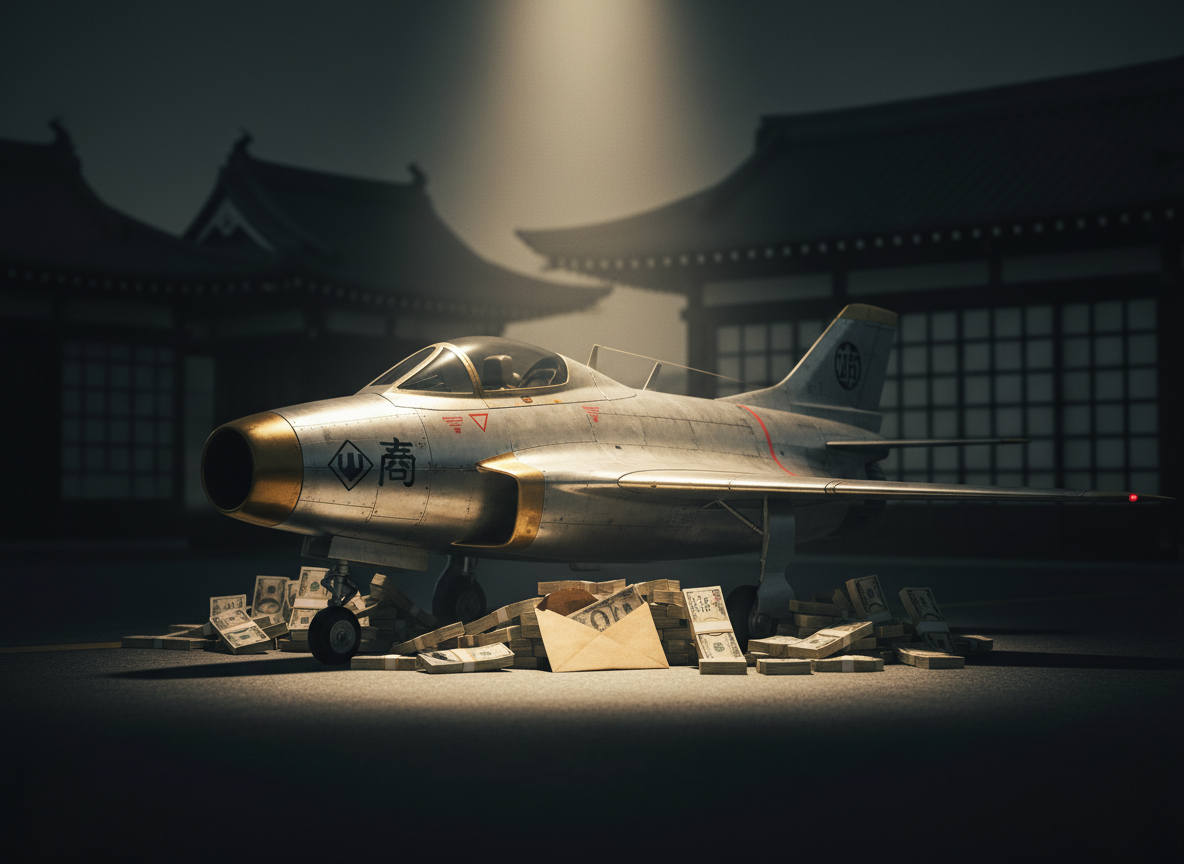
Testimony provided to the U.S. Senate revealed that Lockheed executives authorized payments to influence Japanese buyers, the company desperately wanted All Nippon Airways to buy its TriStar jets. Vice Chairman Carl Kotchian admitted these payments occurred with his knowledge, the funds totaled approximately $7 million over several years. A central figure in this network was Yoshio Kodama, he was a powerful right wing fixer with known connections to organized crime. Kodama acted as a secret agent for the aerospace firm, he received millions to pressure officials and business leaders.
The money trail reached the highest levels of the Japanese government, evidence pointed to former Prime Minister Kakuei Tanaka. He allegedly accepted approximately $1.7 million to steer the contract away from competitor McDonnell Douglas, the funds were funneled through the Marubeni Corporation trading house. ANA officials also received payments to favor the Lockheed jets, the deal was worth roughly $105 million for 21 aircraft. This bribery successfully secured the contract despite earlier interest in rival planes.
Code Names and Secret Channels Used
The conspirators used complex methods to hide the illicit flow of cash, receipts famously referred to units of money as "Peanuts" to avoid detection. Marubeni executives served as intermediaries, they delivered cash to politicians and airline executives in quiet exchanges. This secrecy allowed the scheme to operate for years before American investigators uncovered the truth.
Scandal Changes Global Business Laws and Japanese Trust
The exposure of these crimes caused immediate political turmoil in Japan, the arrest of a former prime minister shattered public confidence in the government. This event marked a turning point for international commerce, the United States Congress responded by passing the Foreign Corrupt Practices Act. This law made it illegal for American companies to bribe foreign officials, it set a new global standard for corporate compliance.
The Lockheed incident remains a powerful lesson in political accountability, officials urge constant vigilance against the influence of money in governance. The legacy of this scandal continues to shape anti-corruption efforts worldwide.