Senate Floor Presentation Sparks Controversy After AI-Altered Shooting Image Displayed by Lawmaker
Senator Dick Durbin inadvertently displayed a digitally manipulated photograph during a speech on Tuesday, the image depicted the police killing of a nurse in Minneapolis. This error highlights the growing capability of artificial intelligence to infiltrate high-level political discourse, it also raises urgent questions about verification standards in government.
Digital Distortions Complicate Response to Minneapolis Shooting
The controversy stems from the tragic death of Alex Pretti, a 37-year-old nurse killed by immigration agents. Raw footage of the incident was grainy and difficult to decipher, this led online users to use AI tools to "enhance" the visuals. These tools often fabricate details to fill in gaps, experts warn that this technology creates a false sense of reality. The altered image circulated widely on social media platforms before reaching Capitol Hill, it blurred the line between evidence and fabrication. This confusion sets a dangerous precedent, official narratives rely on accuracy yet this event demonstrates how easily truth can be distorted by modern software.
Staff Error Leads to Presentation of Fabricated Visuals
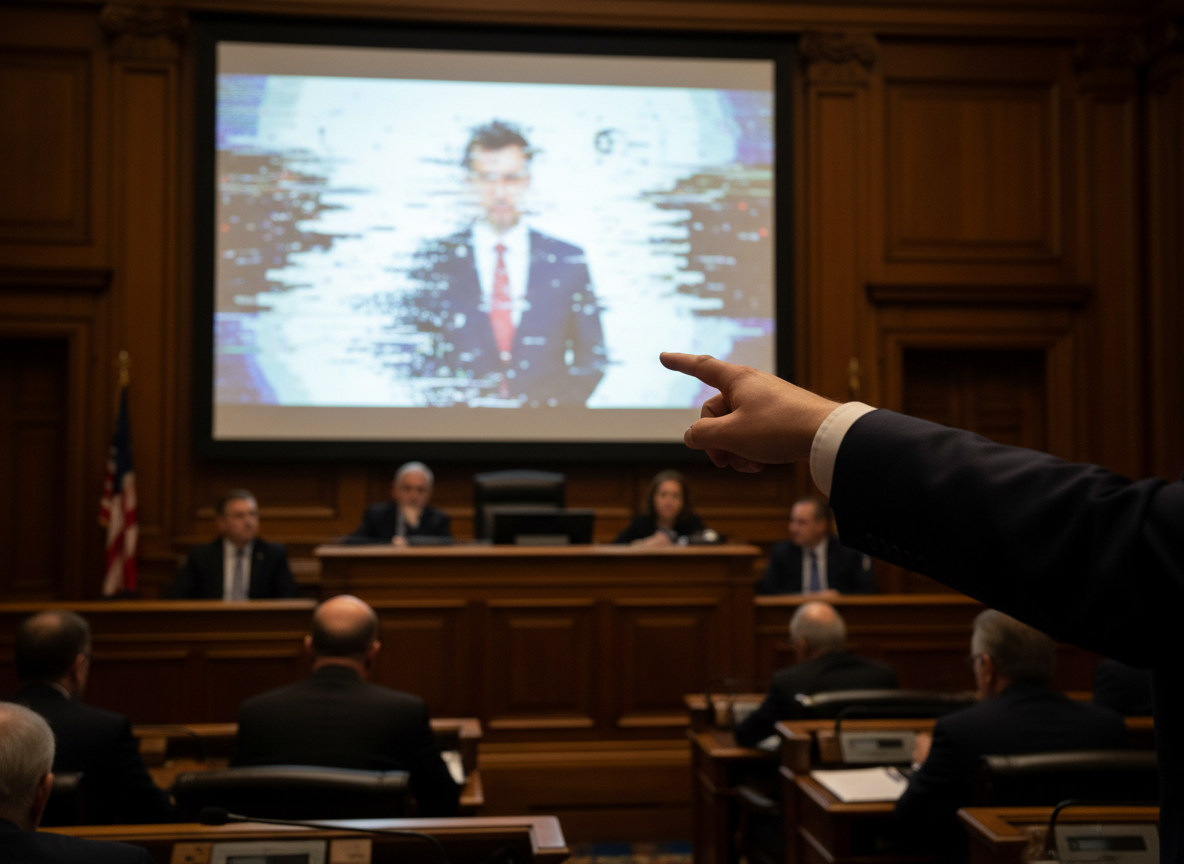
During a speech condemning federal immigration tactics, Senator Durbin presented a large print of the manipulated scene on the Senate floor. The image supposedly showed Pretti with a gun pointed at his head, however, closer inspection revealed tell-tale signs of artificial intelligence interference. One agent appeared headless in the frame, other digital artifacts suggested synthetic generation rather than optical photography. Durbin's office later issued an apology, they admitted to using a photo found online without verifying its authenticity.
"Staff didn't realize until after the fact that the image had been slightly edited," the statement read, this admission underscores a lack of technical training among political aides. Analysis of the verified original video confirmed Pretti held a phone, not a weapon, this fact was obscured by the digital alteration. The image had spread across platforms like Instagram and X prior to the Senate session, this made it difficult to trace the original source immediately. The incident marks a specific failure in vetting procedures, it shows how easily synthetic media can bypass traditional checks.
Official Blunder Signals New Era of Information Warfare
This incident proves that even federal lawmakers are vulnerable to visual disinformation. Media literacy experts warn that such mistakes erode public trust in official proceedings, citizens may begin to doubt authentic evidence if fake images appear in the Senate. The ease of creating realistic fabrications means verification protocols must change immediately. Government offices now face the burden of forensic analysis before presenting visual aids to the public, this adds a complex layer to political communication.
Legislators continue to debate the "NO FAKES Act" and other regulations to curb deceptive media. Technology leaders urge the adoption of watermarking systems to help the public identify the origin of digital content.