Record Snowfall and Fatalities Strike Southeast as Bomb Cyclone Batters Region
A rapidly intensifying winter storm system slammed into the American Southeast this weekend, the event placed nearly 220 million residents under urgent weather alerts. North Carolina bore the brunt of this historic bomb cyclone, officials confirmed two fatalities occurred during traffic accidents on icy interstates.
Rare Winter Intensity Stuns Region Accustomed to Milder Climates
The southern United States typically enjoys mild winters, yet meteorologists compared this system to the infamous storms of 1980 and 1989. Climate experts suggest that warming oceans fuel these intense systems, shrinking Arctic sea ice also disrupts the jet stream. These atmospheric changes allow polar air to escape southward, this phenomenon creates extreme freezing events even as global temperatures rise.
Scientists note that nor'easters have grown significantly more powerful over recent decades. Data indicates increased wind speeds and higher precipitation rates since 1940, this trend suggests that infrastructure in warmer zones must adapt to sudden freezes.
Bomb Cyclone Unloads Heavy Snow and Severs Power Grid
The storm rapidly strengthened off the Atlantic coast, it dumped up to 17 inches of snow across parts of the region. Governor Josh Stein urged citizens to remain indoors, he warned that clearing roads would take days due to persistent sub-freezing temperatures. Utility providers reported that over 600,000 homes lost electricity, repair crews struggled against high winds to restore service.
Conditions deteriorated quickly along the coast, waves off Cape Hatteras swelled to 20 feet. Florida residents faced a different challenge, temperatures in Miami plummeted to 35 degrees for the first time in a decade. The bitter cold extended throughout the peninsula, wind chills dropped into the single digits in northern counties.
Treacherous Travel Conditions Halt Movement
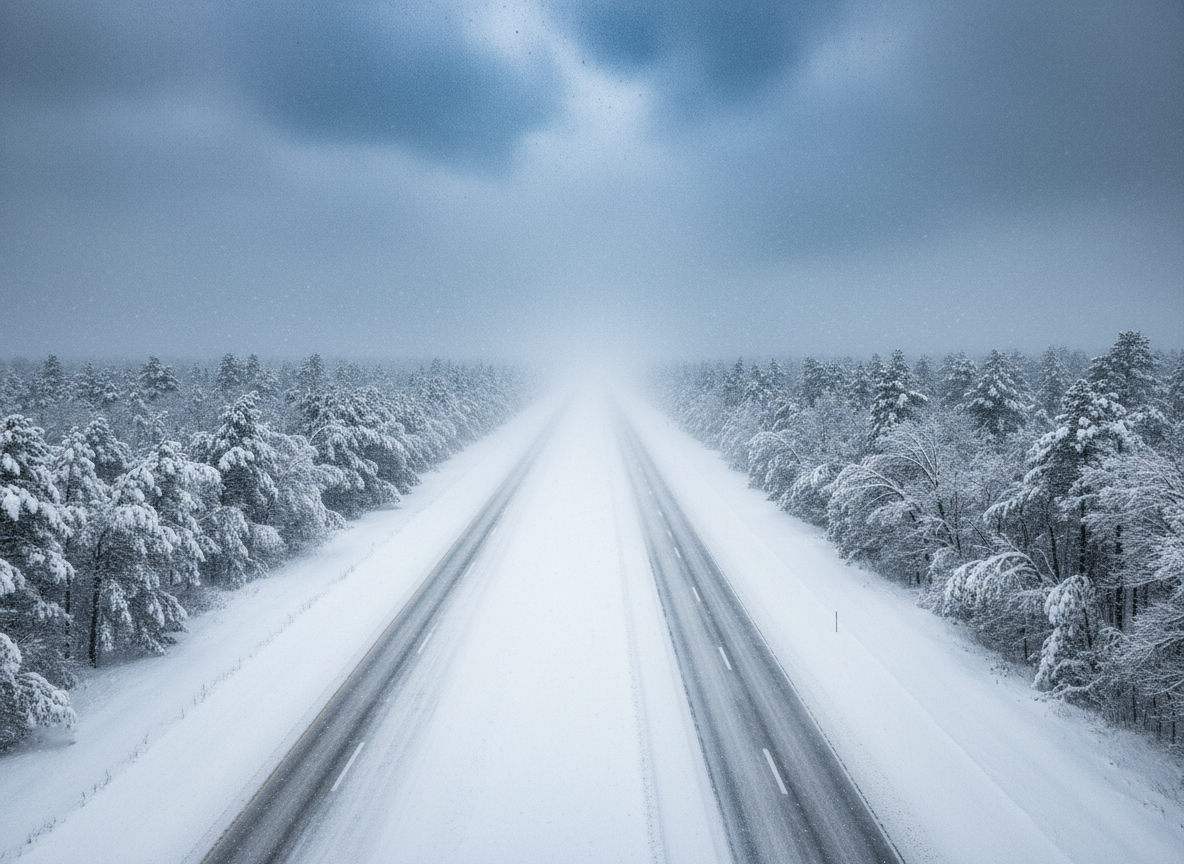
A massive pileup on Interstate 85 highlighted the extreme danger on the roadways, this incident resulted in the reported deaths. State troopers closed significant portions of the highway system to prevent further accidents, the heavy accumulation of snow rendered standard plow operations difficult.
Travelers and Residents Face Hazardous Recovery in Storm Aftermath
Transportation officials closed major routes including Highway 12, debris and ice rendered interstate travel nearly impossible for the immediate future. Emergency responders cautioned the public about secondary dangers, these include carbon monoxide poisoning and hypothermia during prolonged blackouts.
Forecasters predict a La Niña pattern will continue, this suggests variable conditions may persist throughout the remainder of the season. Authorities continue to monitor road conditions, they advise motorists to check local reports before attempting travel.