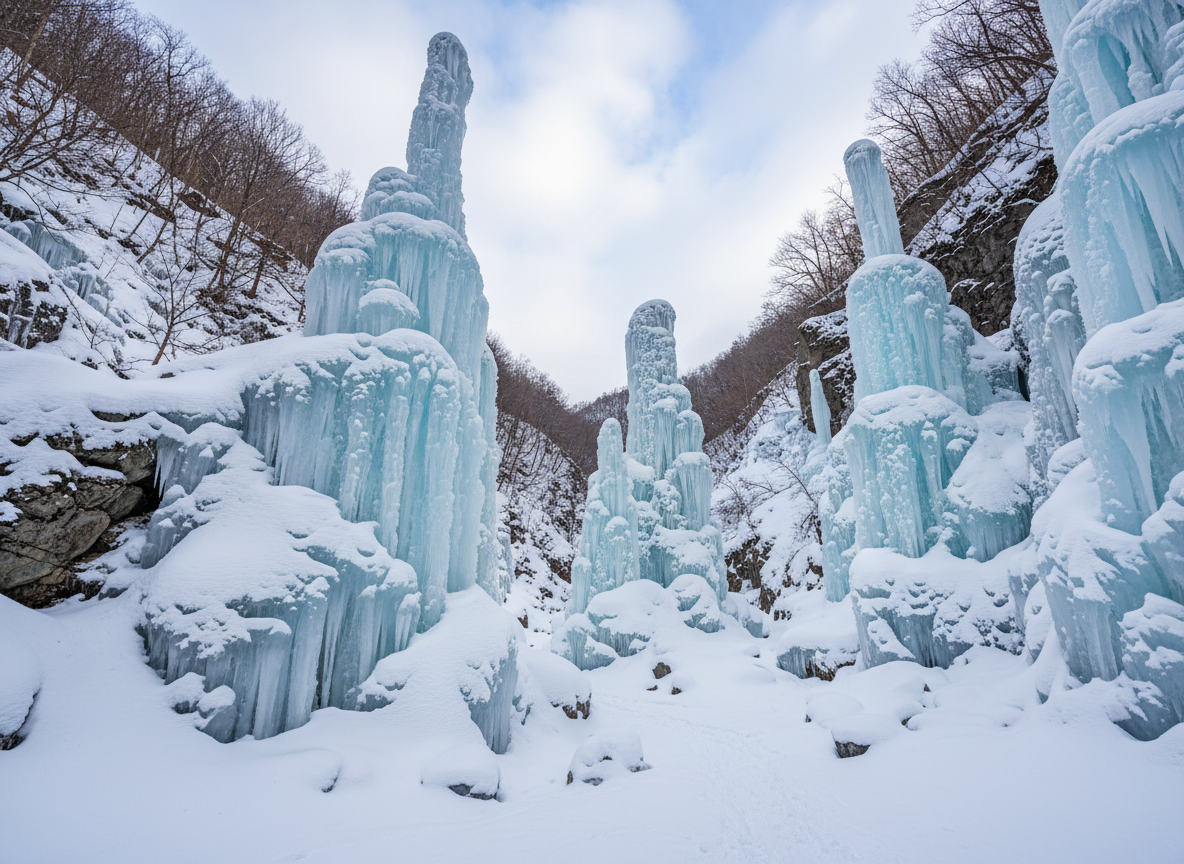
Prolonged Cold Snap Generates Spectacular Massive Ice Pillars in Chichibu Region Northwest of Tokyo
Freezing temperatures have transformed the mountainous landscape of Saitama Prefecture into a major winter destination, the recent cold snap successfully created massive ice pillars known locally as the Three Great Icicles. These towering frozen structures have emerged in the Chichibu region northwest of Tokyo, the formations are drawing thousands of tourists seeking to view the seasonal spectacle before the spring thaw begins.
Seasonal Freeze Returns to Saitama Mountains as Winter Tradition Resumes
The annual formation of these ice giants is a celebrated event in Saitama Prefecture, the region relies on sustained sub-zero temperatures to shape the landscape. This area is historically famous for its harsh winters, the specific geography of the Chichibu region allows cold air to settle in the gorges and freeze flowing water into solid rock-like structures. Known collectively as the Three Great Icicles of Chichibu, these formations represent a delicate balance between natural meteorological conditions and human effort. Locals have spent generations cultivating these sites, the tradition involves a mix of harnessing natural geological features and applying human ingenuity to ensure the structures reach their full potential each year.
Freezing Temperatures Sculpt Ice Formations Exceeding Thirty Meters in Height
The current weather patterns have successfully solidified the Misotsuchi Icicle, this natural wonder creates a massive wall of ice approximately 10 meters high and 30 meters wide using water from upstream sources. Visitors are currently flocking to the Ashigakubo Ice Pillar, this is widely considered one of the largest formations in the entire area boasting an impressive width of roughly 200 meters and a height of 30 meters. These dimensions fluctuate annually based on the severity of the winter season, the current measurements indicate a particularly strong year for ice development due to the consistent lack of warmth in late January.
Local Residents Assist Nature to Create Artificial Spectacles
While some pillars form naturally through spring water runoff seeping from rock faces, others require careful and laborious intervention by residents of Yokoze Town. Community members spray water onto the mountain slopes during the coldest hours of the night, this process builds layers of ice that eventually turn into the celebrated ice art visible today. Nighttime illuminations have been installed at these distinct sites, the lights create a fantastical atmosphere that extends viewing hours well into the evening and provides a different perspective on the frozen textures.
Tourism Surge Brings Economic Relief to Mountainous Communities
The arrival of these ice pillars signals a critical economic period for local vendors, businesses set up stalls offering hot food and regional beverages to the influx of domestic and international visitors. This seasonal traffic helps sustain the local economy during the slower winter months, authorities have organized special events to manage the crowds and maximize the benefit for the town. Environmental experts note that the formations depend entirely on sustained cold weather, rising global temperatures could threaten the consistency of this winter attraction in future years and force communities to adapt their tourism strategies.
The viewing season is expected to continue through mid-February if the current low temperatures persist, local officials urge potential visitors to monitor weather reports closely as warmer days can rapidly degrade the ice quality.