Partial Shutdown Halts Federal Operations as Dispute Over Immigration Policy Derails Funding
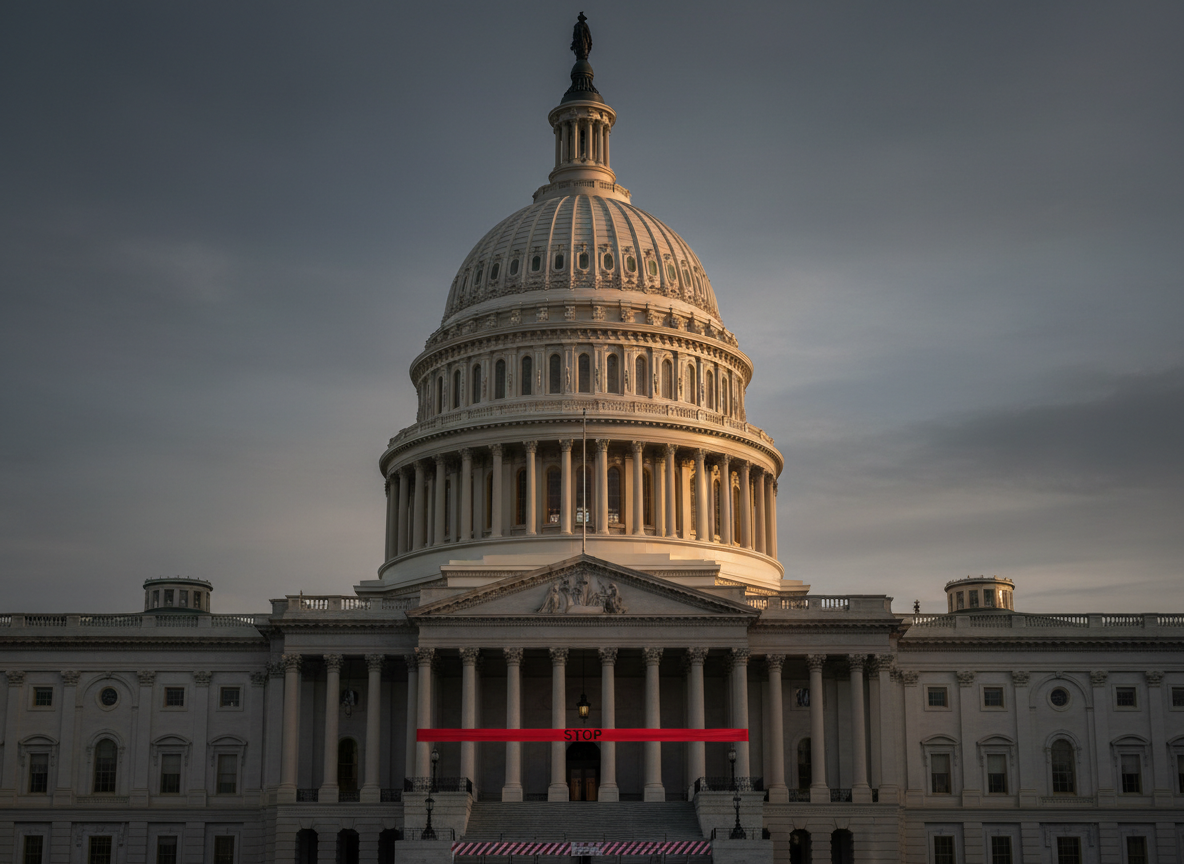
Essential federal services halted early Saturday after Congress missed a critical midnight deadline to approve government spending. The partial shutdown began January 31, 2026, leaving major agencies without operating funds as lawmakers clash over reform demands for the Department of Homeland Security.
Fatal Shootings in Minneapolis Spark Legislative Standoff
The current budget impasse centers on heated debates regarding police conduct within federal immigration forces, Democratic senators blocked funding to demand accountability measures following the deaths of Renee Good and Alex Pretti. These two American citizens were shot by agents in Minneapolis earlier this month, triggering demands for mandatory body cameras and identification displays. This disruption arrives shortly after a historic 43-day shutdown last year, signaling deep instability in the appropriation process and raising concerns about the government's ability to maintain consistent operations.
Senate Approves Compromise Deal While House Delays Vote
The Senate successfully passed a package late Friday containing five full-year bills and a short-term extension for homeland security, however the House of Representatives had already adjourned. The lower chamber is not scheduled to return until February 3, guaranteeing a funding gap that lasts at least through the weekend. This specific lapse affects six of the twelve necessary annual spending bills, leaving departments like Defense, Education, and Transportation without authority to spend money.
Departments Facing Immediate Closures
While the Department of Justice and Veterans Affairs previously secured their budgets, other agencies must immediately enact contingency plans. Operations at the Departments of Labor, Treasury, and State are now restricted to protecting life and property only, meaning most administrative functions have ceased.
Federal Employees and Contractors Face Financial Uncertainty
Thousands of civil servants were furloughed immediately, meanwhile essential staff such as TSA agents and active-duty troops must report for duty without pay. These workers will likely receive back pay eventually, yet they face immediate cash flow problems regarding rent and bills. Economists estimate this disruption removes $15 billion from the economy every week, creating a ripple effect that hurts private contractors and small businesses relying on federal loans.
Legislative leaders hope the House will quickly pass the Senate's compromise bill on Monday to restore order. Observers warn that hardline factions could still derail the agreement, potentially extending the closure into a longer crisis.