Massive Stratospheric Warming Event Triggers Polar Vortex Collapse Across Northern Hemisphere
A massive disruption in the stratosphere will cause the polar vortex to split by the middle of February 2026, forecasters warned this week, the event guarantees a prolonged stretch of dangerous cold for eastern North America and Europe as frigid Arctic air spills southward.
Atmospheric Instability Sets Stage for Late Winter Freeze
The impending weather shift results from a Sudden Stratospheric Warming event where temperatures high above the Earth spike rapidly, this phenomenon destabilizes the polar vortex which typically keeps cold air locked near the pole. Scientists note that a stable vortex means mild winters for temperate zones, however, a disrupted system allows freezing air to escape. Recent years have seen an increase in these stretching events, experts like Judah Cohen suggest a link to rapid Arctic warming, the current pattern mirrors significant disruptions seen in early 2024 and 2025.
Meteorologists Forecast Temperature Plunge Amid Vortex Split
Models including the GFS and ECMWF now confirm a textbook collapse of the atmospheric circulation system starting in the second week of February 2026, the breakdown will send temperatures plummeting 30 degrees Fahrenheit below average across large sections of the United States. Forecasters specifically identified the region from Washington D.C. to New England as highly vulnerable to sustained freezing conditions, meanwhile parts of the Midwest could see readings drop to between 25 and 30 degrees below zero Fahrenheit.
Ice and Snow Threats Emerge
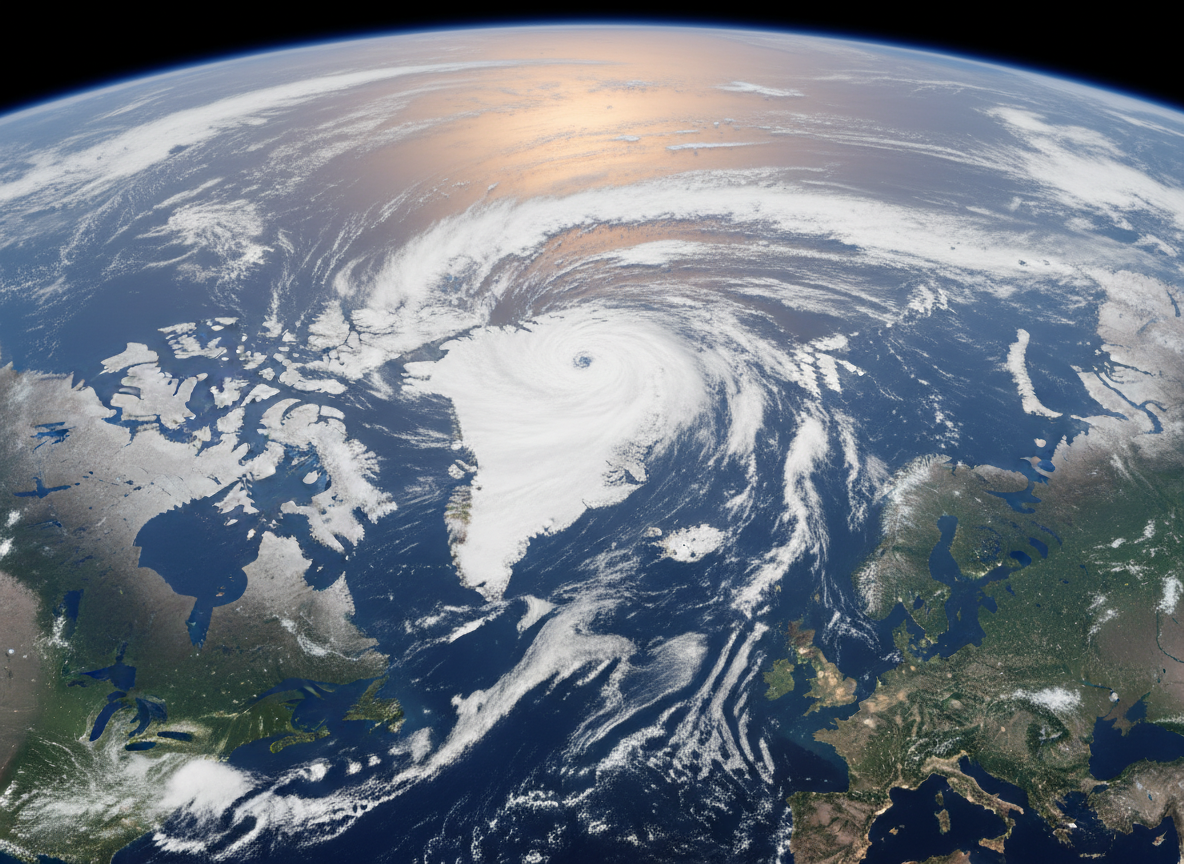
The danger extends beyond simple cold air as the pattern supports heavy wintry precipitation, significant ice accumulation is possible from the Southern Plains through the Carolinas which poses a severe threat to travel and power grids. European nations in the northwest will simultaneously face their own influx of Arctic air, the disruption involves stratospheric temperatures spiking by nearly 50 degrees Celsius within days while high pressure over Greenland funnels the cold air southward.
Infrastructure and Public Health Face Severe Strain
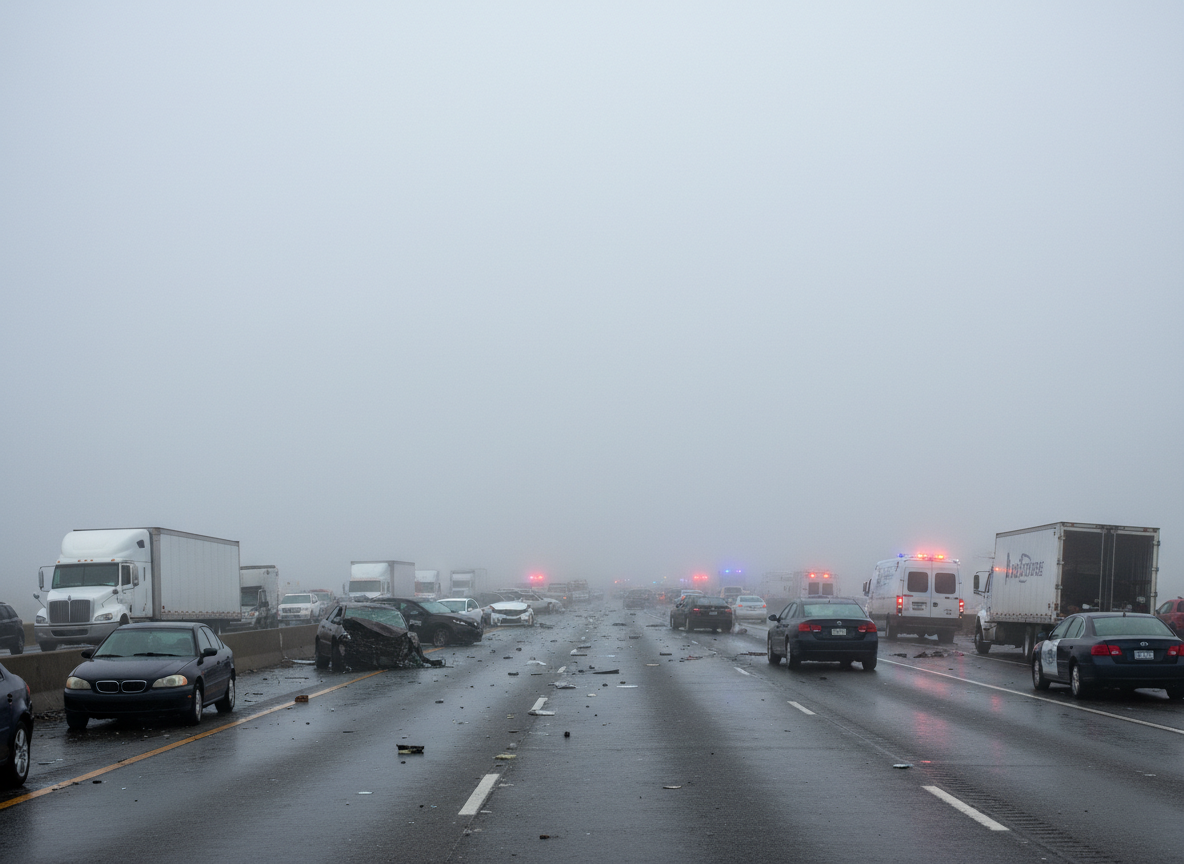
Utilities are bracing for surged demand as residents crank up heating systems to combat the freeze, this spike often leads to higher energy bills and potential grid failures during peak usage hours. Emergency services anticipate a rise in calls regarding hypothermia and frostbite among vulnerable populations, additionally transportation networks expect widespread delays as ice storms complicate logistics for supply chains and commuters alike.
The freezing pattern is projected to lock into place until early March 2026, officials urge the public to prepare emergency kits and monitor local forecasts as the situation evolves.