Japanese Retailers Pivot to Creative Ingredients as Chocolate Prices Hit Record Highs
Retailers across Japan are scrambling to adapt their Valentine's Day strategies as soaring cocoa costs drive chocolate prices up by nearly 10 percent. Department stores are introducing sweets made from peas and domestic fruit, this urgent shift aims to sustain sales amid a global supply crisis that threatens to upend traditional gifting customs.
Global Shortages and Currency Woes Drive Market Shift
The current market upheaval stems from a perfect storm of environmental and economic factors affecting the global supply chain. West African nations like Ghana and Ivory Coast are responsible for over 60 percent of the world supply, yet they have suffered consecutive poor harvests due to extreme weather and crop diseases. These shortages have pushed cocoa trading prices to levels unseen since the 1970s, the situation is further complicated for Japanese importers by a weak yen against the dollar. The cost of raw materials has remained structurally high for months, this reality forces confectioners to rethink their reliance on traditional chocolate formulations just as demand peaks for the middle of February.
Major Department Stores Roll Out Creative Substitutes
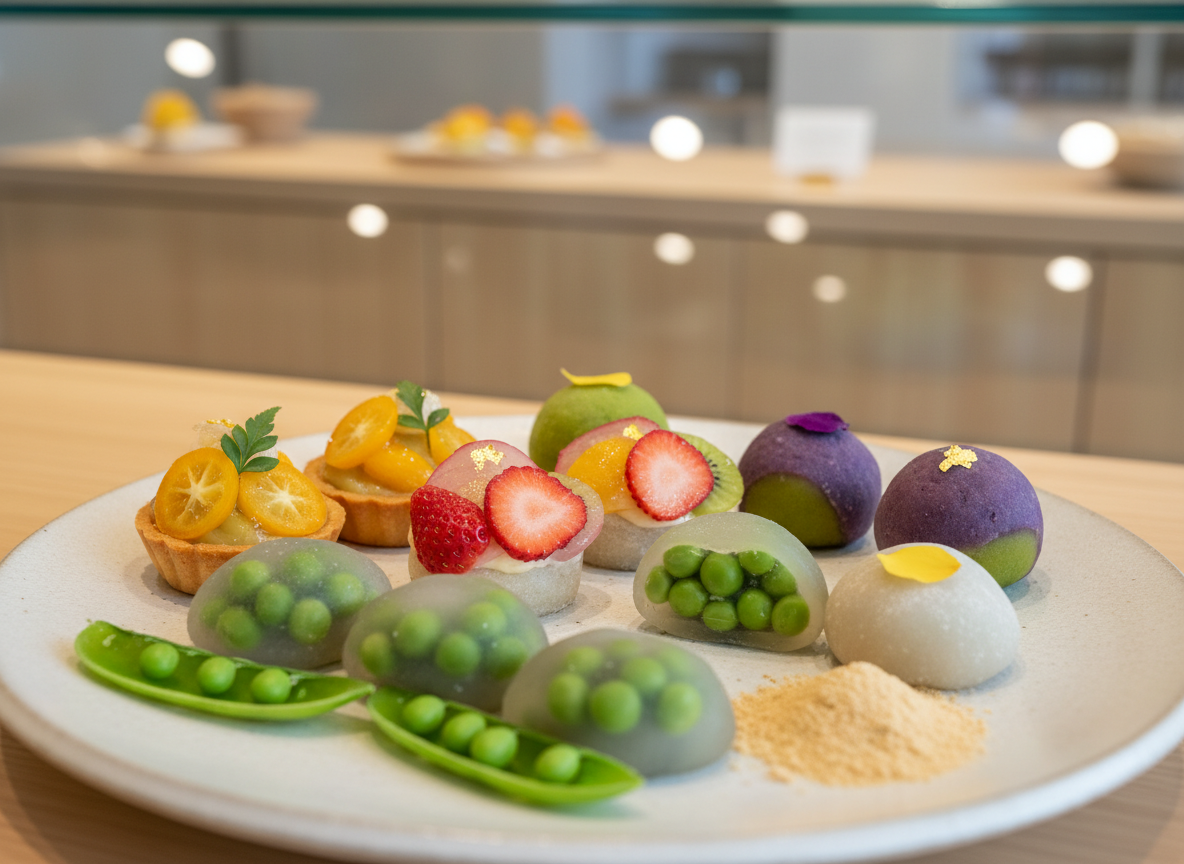
Prominent retailers are launching innovative product lines that minimize or eliminate cacao usage to keep prices accessible for consumers. Takashimaya has introduced a distinct line of sweets made from peas using a product called Anoza M, this alternative allows the retailer to sell items up to 650 yen cheaper than standard cacao products. Other establishments like Matsuya in Ginza are shifting focus toward domestically grown ingredients, their new lineup emphasizes sweets incorporating local fruits rather than relying solely on imported cocoa butter. Patisserie Couleur is utilizing Shinshu buckwheat kernels and Shine Muscat grapes to create texture and flavor profiles that appeal to premium buyers without the associated costs.
Data indicates the average price per piece of chocolate has climbed to 418 yen, this marks a significant increase from previous years and pressures merchants to diversify. Sogo & Seibu has responded by doubling its inventory of gifts other than chocolate, the store is heavily promoting baked goods and gummies to budget conscious shoppers who might otherwise skip the holiday tradition. These strategic pivots allow stores to offer affordable gifting options while managing the inflated costs of logistics and sugar.
Consumers Face Higher Prices and Changing Traditions
Shoppers navigating candy aisles this February will encounter a landscape defined by higher price tags and unfamiliar ingredients. The traditional practice of giving obligation chocolate to colleagues may decline as cost pressures force consumers to be more selective with their purchases, this trend suggests a lasting shift toward quality over quantity. Manufacturers warn that the era of cheap chocolate is ending, the industry is preparing for a future where cacao is treated as a luxury ingredient rather than a commodity staple.
Analysts predict these high costs will persist well beyond the current season, this prompts a permanent evolution in the confectionery market of Japan. Retailers urge customers to explore these new plant derived innovations as the industry adapts to a volatile global climate.