Japanese Night Schools Adopt Book Review Game to Aid Foreign Student Language Mastery
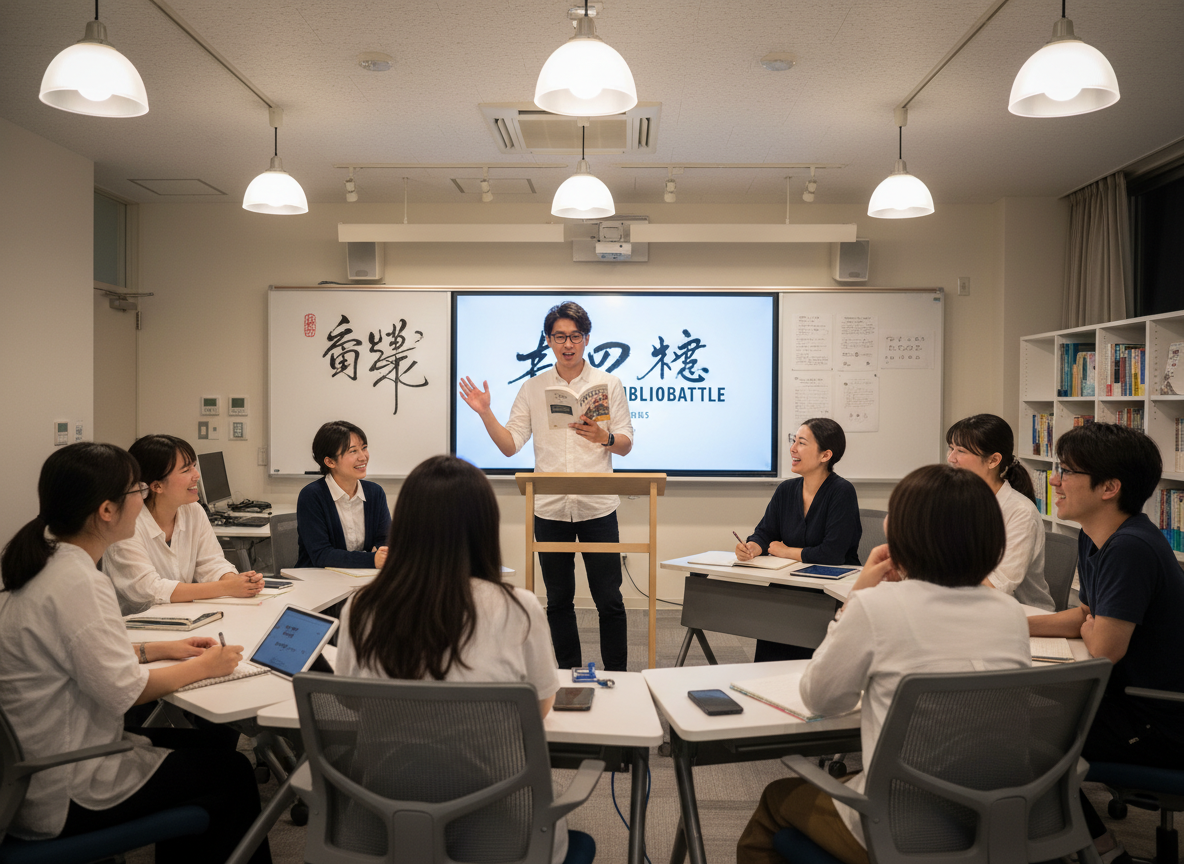
Akatsuki Junior High School in Himeji has introduced a competitive book review game called Bibliobattle to assist foreign students with language acquisition, this initiative specifically targets students born abroad from countries like Vietnam and the Philippines to improve their communication skills.
Rapid Demographic Shifts Spark Demand for Educational Support
Japan faces a shrinking population alongside a record influx of foreign residents, the number of foreign nationals reached over 3.7 million in 2024. This demographic change has transformed night junior high schools, these institutions originally served Japanese war orphans but now cater largely to immigrants seeking compulsory education. Yakan chugaku or night schools have seen enrollment surge with adults who missed early schooling opportunities, the government formally recognized their legal standing in 2016 to address these evolving needs. The student body at these schools has shifted dramatically since the late 2000s, educators must now prioritize Japanese language instruction before teaching other academic subjects.
Akatsuki Junior High Integrates Gamified Learning into Curriculum
Educators at Akatsuki Junior High School implemented the Bibliobattle format to foster active engagement among its diverse student body, nearly half of the 26 students attending the Himeji school were born outside Japan. The game requires participants to present a favorite picture book, they must explain the appeal of the story to their classmates in Japanese. Teacher Yuka Fujiwara notes that the activity encourages reluctant speakers to articulate their thoughts, it also trains students to listen carefully and ask relevant questions to their peers. A 26 year old student from Nepal reported feeling more understood during these sessions, the principal Masamichi Yamashita emphasized that this method builds essential confidence in speaking and listening skills.
Interactive Sessions Boost Student Confidence
The structure of the game forces students to move beyond passive learning, they must defend their choices and interact with peers in real time. This approach proves vital for students who are often past traditional school age, they require practical language skills for daily life and employment rather than just rote memorization. The program allows students to discuss books they enjoy, this lowers the anxiety often associated with learning a new language in a formal setting.
New Methods Bridge Gaps for Immigrant Residents
Successful integration of foreign residents relies heavily on language proficiency, this program offers a replicable model for other institutions facing similar challenges. The Ministry of Education plans to increase the number of Japanese teachers to support this growing demographic, data indicates dropout rates are higher among students lacking language support. These efforts help reduce educational disparities for immigrant communities who need certification for better employment.
Schools across Japan will likely adopt similar interactive strategies as the foreign population grows, officials urge more funding to ensure these programs can expand to meet future demand.