Japan Prime Minister Targets Soaring Food Costs With Major Policy Shift Before Election
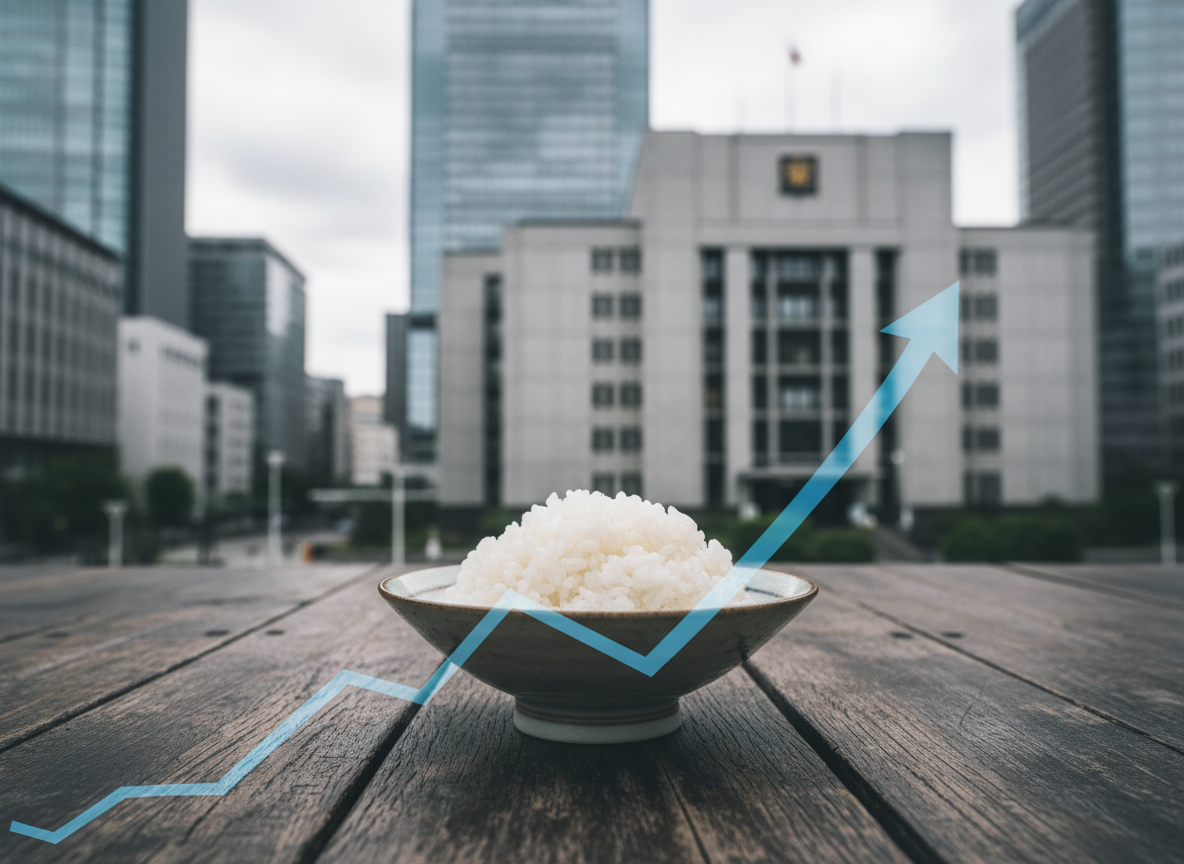
Prime Minister Sanae Takaichi is launching a major agricultural reform strategy ahead of the February 8 election, the administration aims to lower soaring food costs for voters, this move follows a severe summer crisis that saw rice prices double across the nation.
Summer Crisis of 2024 Sparked Political Turmoil
The current urgency stems from the summer of 2024, Japan faced a massive rice shortage during that period, prices for the staple grain spiked rapidly. This economic strain caused significant public anger, it contributed to the Liberal Democratic Party losing crucial elections in July 2025. Former Prime Minister Shigeru Ishiba resigned as a result, the government now faces intense pressure to solve these supply issues before voters return to the polls. The crisis highlighted flaws in a system that historically protected farmers, previous policies incentivized feed rice over table rice, this created a paradox where shortages occurred despite high production capacity.
Administration Proposes Vouchers and Tax Cuts to Aid Consumers
Takaichi is proposing immediate relief measures to win back public support, key ideas include distributing rice vouchers to local governments for household use. The administration is also considering a temporary two-year consumption tax exemption on food items, this program would cost approximately ¥5 trillion ($31.7 billion) annually. The Prime Minister plans to fund this substantial expense by reviewing existing subsidies and special tax measures, the government also intends to secure non-tax revenues to cover the deficit.
Agriculture Minister Norikazu Suzuki is simultaneously adopting a new operational strategy, he calls for "production in line with demand," this marks a sharp turn away from previous mandates that simply pushed for higher output volumes. This policy aims to stabilize the market by aligning agricultural output with actual consumer needs, officials hope this will prevent future price shocks. The move represents a significant departure from traditional methods, the government seeks to balance protection for rural areas with the economic reality facing urban families.
Voters and Farmers Brace for Economic Changes
Japanese consumers may see lower grocery bills if these tax cuts pass, low-income households stand to benefit most from the proposed vouchers. However, opposition parties like the Constitutional Democratic Party of Japan argue for permanent cuts instead of temporary fixes, they claim short-term solutions do not solve deep structural problems. Farmers remain skeptical of the changes, they worry that frequent policy shifts create instability for their businesses, agricultural workers fear these interim measures will not ensure long-term profitability. Restaurants that raised prices due to grain costs also face uncertainty regarding menu pricing.
The upcoming election results will decide the future of these agricultural reforms, officials urge voters to consider the long-term economic stability of the nation as they head to the polls.