Federal Agents Arrest Don Lemon on Civil Rights Charges Linked to Church Protest Coverage
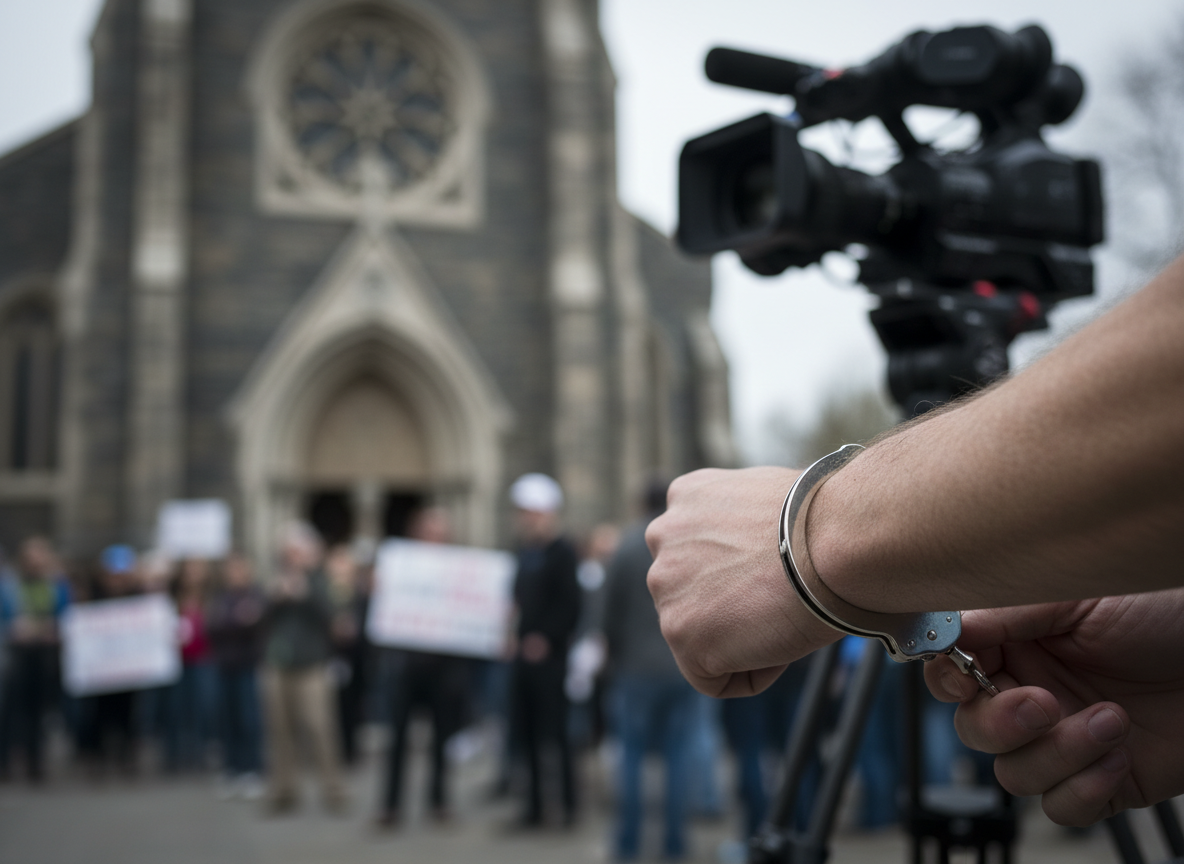
Federal authorities took prominent independent journalist Don Lemon into custody on January 29 in Los Angeles following his coverage of a Minnesota church protest. The arrest raises immediate legal questions about the boundary between constitutionally protected reporting and alleged civil rights violations.
Judicial Disagreement Preceded Federal Action Against Journalists
The path to this indictment involved significant legal friction, multiple federal judges reportedly rejected initial applications for arrest warrants due to a lack of probable cause. Despite these judicial denials, the Department of Justice under Attorney General Pam Bondi secured an indictment through a grand jury. The underlying incident took place on January 18 at Cities Church in St. Paul, demonstrators had gathered to protest a pastor who also serves as an official for U.S. Immigration and Customs Enforcement. This uncommon procedural history suggests an aggressive strategy by federal prosecutors to bypass initial skepticism from the bench regarding the validity of the charges.
Indictment Alleges Conspiracy Against Religious Rights at Worship Site
Authorities apprehended Lemon while he was reporting on the Grammy Awards, citing felony charges of conspiracy against religious freedom. The indictment alleges that Lemon and fellow journalist Georgia Fort violated the Freedom of Access to Clinic Entrances Act by interfering with worshipers. Lemon asserts he was on location strictly to document the event through livestreams and interviews, his attorney Abbe Lowell argues these actions are constitutionally protected. The charges claim the journalists conspired with protesters to deprive congregants of their First Amendment rights, a serious accusation that carries significant legal penalties.
Witnesses state that Lemon interviewed both activists and church members during the demonstration, an activity his legal team defines as standard news gathering. The prosecution contends that his presence went beyond observation and contributed to the disruption of religious services. This case marks a rare instance where federal civil rights laws designed to protect clinic access are being applied to reporters covering political dissent at a religious institution.
Media Organizations Warn of Chilling Effect on First Amendment
Press freedom advocates view this prosecution as a direct threat to independent journalism in the United States. Groups like the ACLU and the National Press Club warn that arresting reporters for covering news events creates a chilling effect on transparency, potentially scaring others away from covering controversial topics. Political figures and legal experts express concern that this aggressive use of federal power ignores established protections for the press, the case creates a high-stakes conflict between government enforcement and media rights.
The outcome of this legal battle will likely establish critical case law regarding press freedom in the United States. Observers expect intense scrutiny of the proceedings as Lemon prepares his defense against these federal charges.