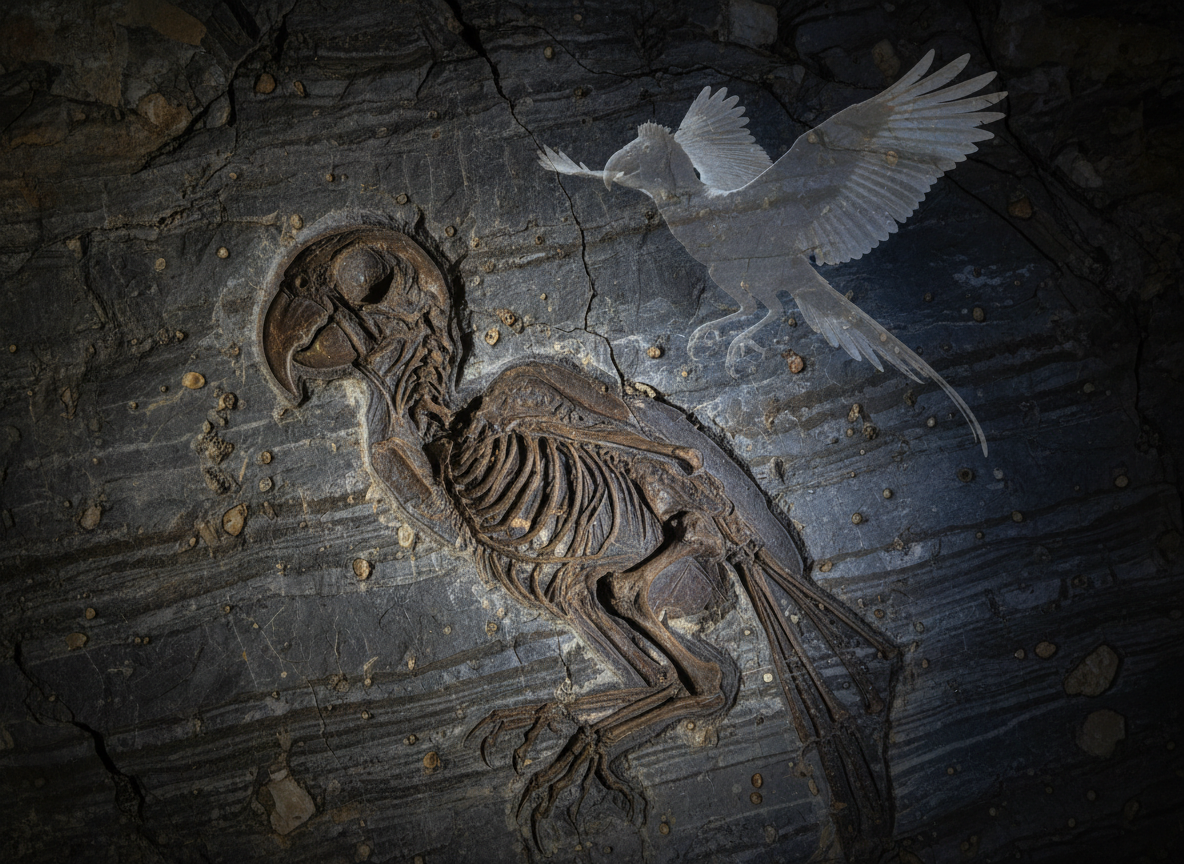
Ancient Waitomo Cave Fossils Reveal Flying Parrot Ancestor and Pre-Human Extinctions
Scientists analysing a forgotten cave on New Zealand's North Island have uncovered a treasure trove of million-year-old fossils, this discovery fundamentally alters the timeline of avian evolution and suggests natural forces drove extinctions long before human arrival.
Gaps in Fossil Record Have Obscured Evolutionary History
New Zealand's biological history has long suffered from a significant blind spot, researchers previously relied on data from 16 million years ago or the very recent past. This lack of evidence created a disconnected narrative regarding how unique species adapted to the isolated supercontinent Zealandia, scholars struggled to explain the transition from ancient lineages to modern wildlife without this crucial middle chapter. The Early Pleistocene epoch remained largely a mystery, it left scientists guessing about the environmental pressures that shaped the islands' famous flightless birds. The absence of data meant that theories about species survival were often based on speculation rather than hard evidence, this new find finally bridges that historical divide.
Analysis of Moa Eggshell Cave Uncovers Flying Kākāpō Ancestor
The breakthrough came from the rediscovered Moa Eggshell Cave near Waitomo, this site contained fossils sandwiched between distinct layers of volcanic ash dating back 1 million to 1.55 million years. Lead author Associate Professor Trevor Worthy and his team identified at least 12 bird species and four frog species among the remains, this assemblage represents the oldest known vertebrate fauna from a North Island cave. The precise dating was made possible by the volcanic deposits, they provided a rare and accurate timeline for the fauna trapped within the cavern.
The most startling find is Strigops insulaborealis, a newly identified ancestor of the modern Kākāpō, unlike its heavy and ground-dwelling descendant, skeletal analysis suggests this ancient parrot likely possessed the ability to fly. This evolutionary distinction indicates that the bird's flightlessness is a relatively recent adaptation to island life. The cave also yielded remains of an ancient Takahē ancestor, this adds another layer of complexity to the lineage of New Zealand's iconic rail species.
Findings Shift Blame for Early Extinctions Toward Natural Forces
This research dramatically shifts the understanding of ecological decline in the region, it challenges the prevailing narrative that mass extinctions only began with human settlement 750 years ago. The evidence suggests that volcanic activity and glacial climate cycles eliminated nearly half of the species found in the cave, these natural disasters reshaped the ecosystem independently of human interference. This discovery provides a baseline for understanding biodiversity, it highlights how fragile island life adapts to rapid environmental changes.
Experts now urge increased support for taxonomic research to fully decipher this "missing volume" of natural history, continued study of these deposits offers vital clues for predicting how wildlife might endure current climate shifts.